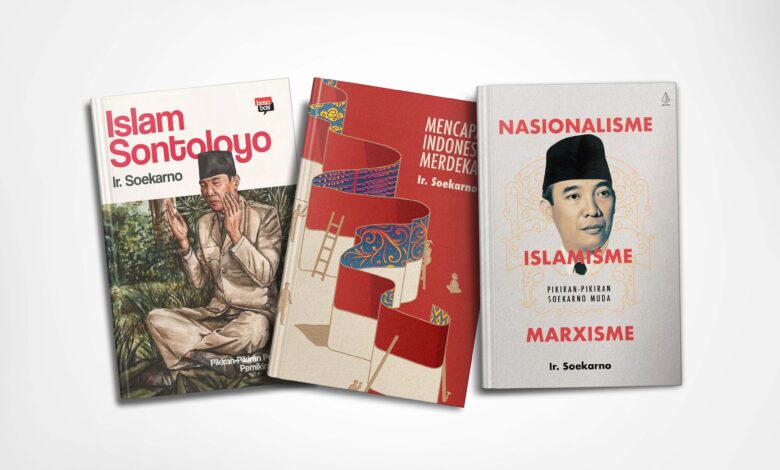
Introduction: Why Soekarno Still Matters
When we talk about nationalism and revolution in the 20th century, Indonesia’s first president, Soekarno Book, always takes center stage. His writings and speeches are not just political manifestos; they are living documents of passion, vision, and ideology. The “Soekarno book,” as many call the collections of his works, is not a single book but a compilation of ideas scattered across speeches, letters, and reflections. For anyone who wants to understand Indonesia—or even the broader fight for independence across Asia and Africa—reading Soekarno’s thoughts is like stepping into the very heartbeat of a nation in the making.
What makes Soekarno Book unique is that he didn’t just fight with weapons or strategies. He fought with ideas. He believed that words could move people, shape their identity, and ignite revolutions. That’s why his writings carry both intellectual weight and emotional fire. They are historical artifacts, but also timeless lessons on leadership, freedom, and the struggle to define national identity.
In this article, we’ll dive into how Soekarno Book ideas on nationalism and revolution are presented in his writings, why they mattered then, and why they still matter today. Whether you are a student of history, a political science enthusiast, or simply curious about one of the most charismatic leaders of the 20th century, this exploration of the “Soekarno book” will give you fresh insight.
The Historical Context Behind Soekarno Book Thoughts
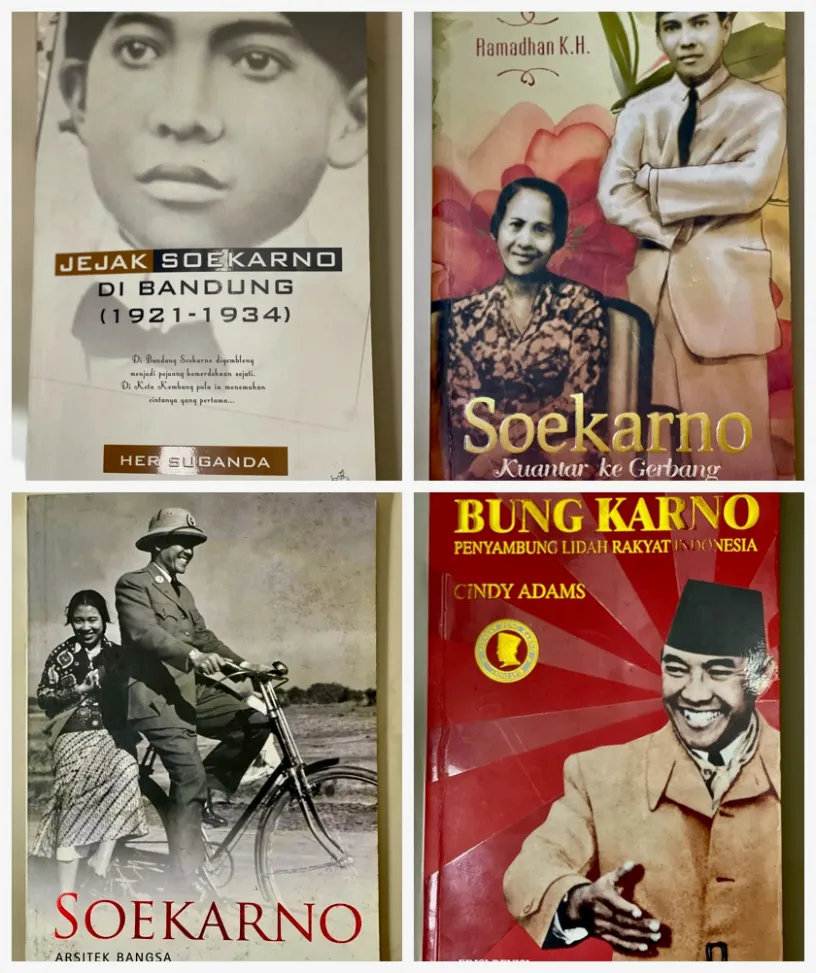
To understand the value of Soekarno Book writings, we need to step back into his time. Indonesia was under Dutch colonial rule for centuries, and by the early 20th century, nationalist movements were gaining momentum. Soekarno Book came of age in a period where people were yearning for freedom but lacked unity. His intellectual journey was shaped by colonial oppression, global anti-imperialism, and the desire to give Indonesians a shared sense of purpose.
Soekarno Book was not writing in isolation. He was heavily influenced by global ideologies—Marxism, Pan-Islamism, Pan-Asianism, and even Western democracy. However, he didn’t copy these ideas blindly. Instead, he adapted them into something uniquely Indonesian. His genius lay in blending universal ideas with local realities. This fusion created a political philosophy that was relatable to the masses but also respected on the international stage.
His writings often combined the urgency of revolutionary action with a long-term vision for nation-building. He talked about independence not just as the absence of colonial rulers but as a deeper transformation of society—social justice, unity, and dignity. This historical backdrop is what makes his books and speeches so compelling. They are not abstract theories; they are practical responses to real struggles.
Nationalism in Soekarno’s Words
Soekarno Book concept of nationalism was never narrow or exclusionary. He saw it as the glue that could unite Indonesia’s diverse islands, ethnicities, and religions into one cohesive nation. His famous idea of Nasionalisme, Agama, dan Komunisme (Nationalism, Religion, and Communism)—often shortened to Nasakom—was his attempt to harmonize different ideological streams into a national consensus.
In his writings, Soekarno Book frequently argued that nationalism was not just about resisting colonial powers. It was about awakening self-respect among Indonesians. He wanted people to feel proud of their heritage, language, and culture, while at the same time being open to modern progress. Unlike some nationalist leaders who leaned toward isolation, Soekarno Book nationalism was inclusive and forward-looking.
One of his most powerful contributions was the idea that nationalism and humanity go hand in hand. He rejected the notion of nationalism as mere chauvinism. For him, Indonesian independence was not only about freeing Indonesians but also about contributing to global liberation. That’s why his voice resonated beyond Indonesia, inspiring movements in Africa, the Middle East, and Asia.
Revolution as a Moral Imperative
Soekarno Book believed that revolution was not just a political necessity but a moral one. For him, living under colonialism was a form of injustice that no society should tolerate. His speeches and writings emphasize that revolution was about reclaiming dignity and humanity, not just about switching governments.
Unlike many revolutionaries who pushed for violent uprising, Soekarno Book often highlighted the power of unity and organized struggle. He was pragmatic; he knew violence might be unavoidable at times, but he preferred to win independence through mass mobilization and intellectual awakening. His approach was revolutionary in both thought and method.
Another key theme in his writings is that revolution doesn’t end with independence. Soekarno Book warned against complacency after gaining political freedom. For him, the true revolution was social and economic—eradicating poverty, closing gaps between rich and poor, and building a just society. That’s why his revolutionary vision feels so modern. Even today, developing nations struggle with the same issues he addressed decades ago.
The Emotional Power of Soekarno Book Writings
Reading Soekarno’s words is not like flipping through a dry political textbook. His style is emotional, persuasive, and often poetic. He knew how to capture the rhythm of speech in writing, which is why many of his books read like extended orations. You don’t just read his words—you feel them.
This emotional power was central to his success as a leader. He didn’t just instruct people; he moved them. His ability to turn abstract ideas like “freedom” or “justice” into tangible emotional experiences is what set him apart. When he wrote about nationalism, he wasn’t just describing a concept—he was igniting pride. When he wrote about revolution, he wasn’t just analyzing strategy—he was fueling courage.
For modern readers, this makes his writings engaging even if you’re not deeply into politics. They remind us that leadership is as much about inspiring hearts as it is about structuring policies. That emotional layer ensures Soekarno’s works are not just historical documents but living, breathing texts that can still inspire today.
Lessons for Today’s World
So, what can today’s readers gain from exploring Soekarno Book thoughts on nationalism and revolution? The first lesson is the importance of unity in diversity. In an era where division and polarization are common worldwide, Soekarno’s inclusive nationalism feels refreshing. He believed a nation could embrace differences without falling apart—a lesson that’s more relevant now than ever.
The second lesson is about the meaning of independence. Many countries have achieved political freedom, but social and economic justice remain elusive. Soekarno Book reminder that the revolution continues until justice is achieved is a call to action for policymakers and citizens alike.
Finally, his writings teach us the value of leadership rooted in ideas. In an age dominated by short-term political maneuvering, Soekarno Book long-term vision stands out. He was not afraid to dream big, to imagine a world where oppressed nations could stand tall. His combination of intellectual depth and emotional resonance is a rare quality in leadership—something that modern societies desperately need.
Conclusion: Why You Should Read the “Soekarno Book”
The “Soekarno book” is not just about Indonesia’s past; it’s about the timeless struggle for dignity, unity, and justice. By exploring his thoughts on nationalism and revolution, we don’t just learn about history—we learn about ourselves, our societies, and the challenges we face today.
Soekarno Book writings remind us that ideas have power. They can move nations, inspire revolutions, and create new futures. If you’re looking for a book that combines passion, intellect, and vision, diving into Soekarno’s works is a journey worth taking. Whether you read them for historical knowledge or personal inspiration, they will leave you with a deeper appreciation of how one person’s words can shape the destiny of millions.