
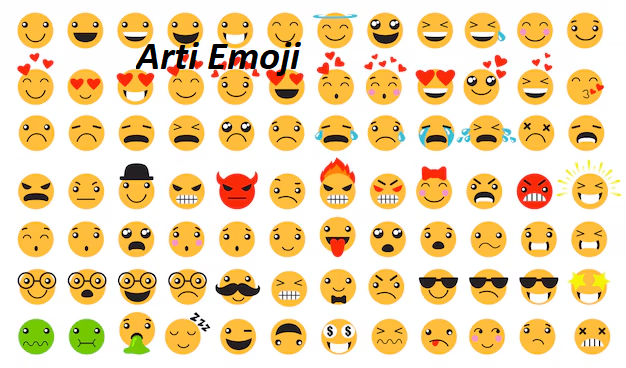
In today’s fast-paced digital world Arti Emoji, communication has transformed in ways our ancestors could never have imagined. From handwritten letters to instant messaging, human beings have always searched for ways to express emotions, ideas, and stories. Now, a new universal language has emerged — the language of emojis. The phrase arti emoji, which means the meaning behind emojis, captures the heart of this phenomenon. It reminds us that these colorful icons are not just playful decorations but powerful tools of expression.
When we type on screens, much of our tone and emotion gets lost. Emojis fill that gap. They add nuance, clarify intent, and sometimes carry more weight than the words themselves. Understanding arti emoji is about learning how these tiny pictures convey big feelings, shaping digital conversations in profound ways.
The Birth of a Visual Language
The story of emojis begins in Japan, where designers introduced simple pictographs to make text messages more expressive. These first icons were tiny and pixelated, yet they sparked a cultural shift. What began as a creative experiment has now grown into a global communication system, used by millions across social media, messaging apps, and even professional platforms.
The true arti emoji lies in its evolution. Each symbol is more than an image; it is a distilled emotion or idea. Over the years, emojis have expanded beyond smiles and hearts to include food, animals, gestures, and even cultural symbols. They now form a living visual dictionary that grows with every software update.
Why Arti Emoji Shapes Modern Communication
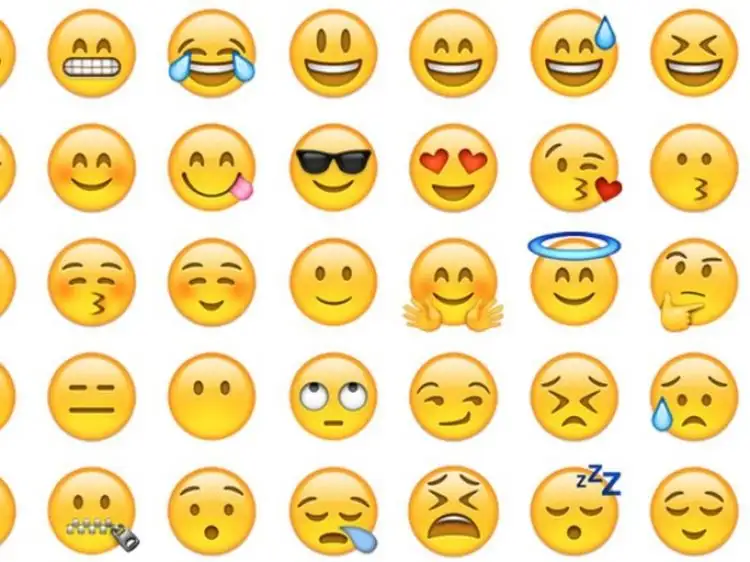
Human beings rely heavily on non-verbal cues like gestures, facial expressions, and body language. In face-to-face conversations, these cues guide interpretation Arti Emoji. But in digital spaces, words alone often feel flat or ambiguous. Emojis step in as emotional translators.
The arti emoji is essential because it allows us to:
- Show emotion clearly where words fall short.
- Reduce misunderstandings by adding tone to otherwise neutral sentences.
- Build connections that feel warm and personal, even through a screen.
For example, typing “I’m fine” can sound distant or cold. But “I’m fine 😊” conveys genuine positivity. This subtle shift demonstrates how emojis transform digital dialogue into something more human.
The Psychology Behind Emojis
Psychologists studying digital behavior have found that emojis trigger the same brain responses as human faces. A smiling emoji, for instance, activates the brain as if we are seeing someone smile in real life. This explains why emojis feel so natural and comforting.
Emojis also reduce what psychologists call “social distance.” They bring warmth to professional exchanges, make customer service interactions friendlier, and increase engagement on social media. People are more likely to respond to content that feels lively and emotional, and emojis provide exactly that spark.
The arti emoji, therefore, is not just about decoration but about the psychology of connection.
Exploring the Categories of Emojis
To decode arti emoji, it helps to examine the main categories and the roles they play:
Faces and Expressions
The most widely used emojis show human emotions. Laughter, sadness, love, or anger are instantly communicated through simple facial icons.
Hand Gestures
Thumbs up, peace signs, or clapping hands replicate the non-verbal gestures we use in everyday life, reinforcing meaning in text.
Food and Objects
Food emojis often serve as metaphors or cultural references. A slice of pizza might represent hunger, but it can also symbolize fun gatherings with friends.
Animals and Nature
These emojis often carry symbolic meanings. An owl may represent wisdom, while a butterfly can suggest transformation or freedom.
Symbols and Abstract Icons
Hearts, flames, stars, and arrows highlight emotions, intensity, or direction. They give messages added energy and visual emphasis.
Every category has its own unique contribution to the language of emojis, and every symbol carries layers of potential meaning.
The Cultural Dimension of Arti Emoji
One of the most fascinating aspects of emojis is how meaning shifts across cultures. For instance, the folded hands emoji may be interpreted as prayer in one part of the world and gratitude in another. What seems playful in one culture may feel offensive in another.
These differences underline the importance of cultural awareness in global communication. The arti emoji is not fixed; it is fluid, shaped by social context, regional norms, and even generational trends. Emojis are universal, yet their meanings are deeply local.
Creativity and Storytelling with Emojis
Emojis are not only functional but also creative. People often string emojis together to tell stories or paint moods without using words. A sequence like 🌅🍷🎶 can instantly evoke the feeling of a romantic evening.
Artists and writers have embraced emojis as a new form of modern expression. Entire poems, artworks, and even movie summaries have been crafted entirely from emojis, showing that their potential extends far beyond casual texting.
The artistry of emojis proves that they are more than symbols; they are tools of storytelling, capable of sparking imagination and emotion in unexpected ways.
Emojis in Business and Branding
The rise of emojis has not gone unnoticed in the professional world. Businesses use them in marketing campaigns to connect with audiences on a personal level. A sparkling star emoji can make a product feel special, while a fire emoji adds excitement.
Customer service teams often use emojis to create friendliness and reduce the formality of digital interactions. However, professionalism requires balance. Too many emojis may weaken credibility, while carefully chosen ones enhance brand voice.
The arti emoji in business is about strategic communication. It is about knowing when to add warmth without losing professionalism.
Challenges and Misinterpretations
As powerful as emojis are, they also create challenges. Misinterpretation is one of the biggest risks. An emoji meant as humor might be taken literally, while cultural differences can create confusion.
Another challenge is overuse. Filling every message with emojis can feel overwhelming and dilute meaning. When used thoughtfully, emojis enhance communication; when used excessively, they distract from it.
The true art of emoji communication lies in balance — knowing when an emoji will clarify and when it will clutter.
The Future of Emojis
The language of emojis continues to expand. New icons are added regularly to reflect inclusivity, diversity, and evolving cultural trends. Skin tone variations, gender-neutral characters, and accessibility-related symbols highlight this ongoing progress.
The future may also bring more animated or three-dimensional emojis, blending even further with digital reality. Emojis could integrate with virtual assistants, augmented reality, or even holographic communication.
As technology evolves, the arti emoji will evolve with it, shaping the way people connect across platforms and cultures.
Mastering the Arti Emoji
To fully embrace the potential of emojis, it helps to keep a few guiding principles in mind:
- Know your audience and choose emojis that resonate with them.
- Match emojis to the tone of the message, balancing professionalism and warmth.
- Use emojis to support words, not replace them entirely.
- Experiment with creative combinations to add personality and depth.
By mastering the arti emoji, you can transform ordinary digital conversations into meaningful exchanges.
Conclusion: The Deeper Meaning of Emojis
The rise of emojis represents more than a playful trend; it marks the emergence of a universal visual language. The arti emoji captures this essence, reminding us that behind every tiny icon lies a world of meaning.
Emojis allow us to bridge emotional gaps in digital spaces, to tell stories without words, and to connect across cultures. They are symbols of creativity, inclusivity, and human expression.
When you send a laughing face, a heart, or a flame, you are not just tapping on a keyboard. You are participating in a global dialogue of symbols, a modern evolution of language that brings people closer together.
The next time you open your messaging app, pause for a moment. Look at the emojis you choose. Each one carries history, culture, psychology, and art. That is the true arti emoji — the hidden power of small symbols to express the vast spectrum of human emotion.


