Bansos NIK KTP 2025 Social welfare programs in Indonesia have always been a cornerstone of government policy, aimed at reducing poverty, protecting vulnerable communities, and ensuring that no citizen is left behind in times of hardship. With the arrival of 2025, the discussion surrounding Bansos NIK KTP 2025—the integration of social assistance with the National Identification Number on the Indonesian identity card (KTP)—has taken center stage. This new approach is expected to redefine the way welfare is distributed, making it more accurate, transparent, and impactful for millions of households across the archipelago.
The modernization of social welfare through digital identity and database integration represents not only a policy reform but also a cultural and administrative transformation. To understand its significance, one must look at the current challenges of welfare distribution, the role of technology in governance, and the vision for a more inclusive Indonesia.
Understanding Bansos NIK KTP
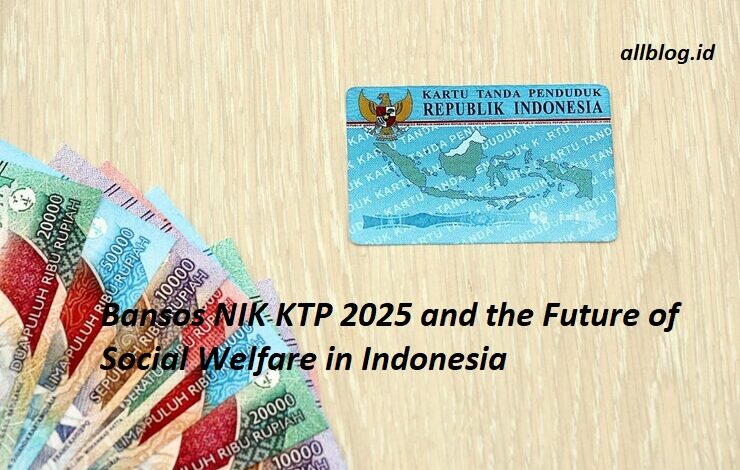
Bansos NIK KTP 2025, short for Bantuan Sosial, refers to social assistance programs provided by the Indonesian government. These programs range from direct cash transfers to food aid, subsidies, and special assistance during crises such as pandemics or natural disasters. Historically, one of the biggest hurdles in the implementation of Bansos NIK KTP 2025 has been ensuring that aid reaches the right people.
The introduction of Bansos NIK KTP 2025-based verification marks a major shift. Every Indonesian citizen possesses a Nomor Induk Kependudukan (NIK), which is a unique identification number embedded in their electronic identity card (KTP). By linking welfare benefits directly to the NIK database, the government aims to reduce duplication, eliminate fraud, and deliver assistance directly to eligible individuals or households.
This integration also aligns with broader digital governance goals, allowing social protection schemes to operate seamlessly across different ministries and regions.
Why the NIK KTP System Matters
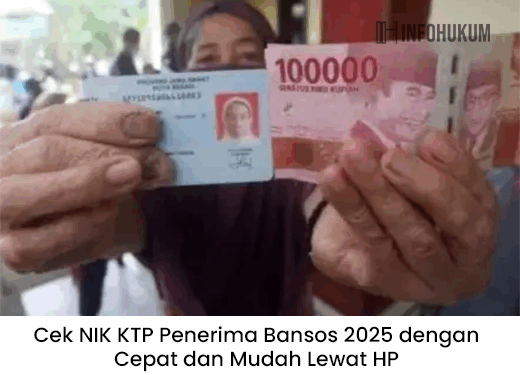
The importance of the Bansos NIK KTP 2025-based welfare system can be viewed from several angles:
- Accuracy: Previous welfare schemes often relied on outdated or incomplete beneficiary lists. Linking aid distribution to the central population database ensures better targeting.
- Efficiency: Digital verification shortens bureaucratic processes and reduces administrative costs.
- Transparency: With real-time monitoring, the system limits opportunities for corruption or mismanagement of funds.
- Inclusivity: By connecting welfare to identity, marginalized groups without strong local representation have a higher chance of being recognized.
This system is not only about distributing aid but also about strengthening the social contract between the government and its people.
Historical Context of Social Welfare in Indonesia
To appreciate the significance of Bansos NIK KTP 2025, one must understand the evolution of social welfare in Indonesia.
From the early post-independence years, the state emphasized community-oriented solutions, often relying on village-based solidarity. During economic crises in the late twentieth century, cash transfers and subsidies became central instruments of relief.
The twenty-first century, however, has been marked by rapid digitization. Programs such as the Program Keluarga Harapan (PKH), the Bantuan Pangan Non-Tunai (BPNT), and emergency assistance during the pandemic all underscored the need for better data management. The lessons learned from these initiatives have paved the way for the current emphasis on Bansos NIK KTP 2025 integration.
The Vision of Social Welfare in 2025 and Beyond
Looking ahead, Indonesia’s welfare system is expected to undergo several transformations driven by the Bansos NIK KTP 2025 framework:
Data-Driven Policy Making
With centralized and accurate data, policymakers will be able to design interventions tailored to specific demographics. Instead of generic aid packages, programs could be customized based on household size, income level, or geographic vulnerability.
Financial Inclusion
By linking assistance to identity, more Indonesians can be brought into the formal financial system. Welfare transfers delivered directly to bank accounts or e-wallets not only provide short-term relief but also encourage savings and economic participation.
Crisis Preparedness
Indonesia is prone to natural disasters such as earthquakes, floods, and volcanic eruptions. A robust identity-linked welfare system allows for rapid mobilization of aid during emergencies, reducing delays and inefficiencies.
Poverty Alleviation
Rather than temporary relief, welfare programs will increasingly be tied to long-term poverty reduction strategies, including education, healthcare, and skills training.
Challenges in Implementing Bansos NIK KTP 2025
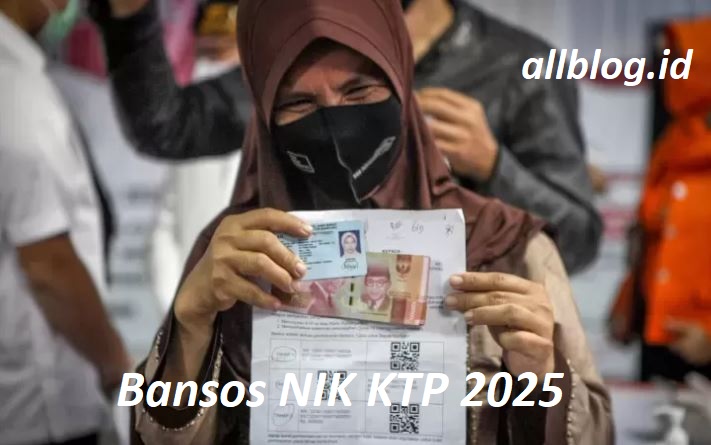
While the vision is ambitious, there are significant challenges that must be addressed:
- Data Accuracy: Although the NIK database is extensive, discrepancies in registration or outdated information can still cause exclusion errors.
- Digital Divide: Not all citizens, particularly in rural or remote regions, have equal access to digital infrastructure or financial services.
- Institutional Coordination: Welfare distribution involves multiple government agencies. Achieving seamless collaboration requires consistent standards and strong oversight.
- Public Trust: The success of the system depends on citizens’ confidence that their personal data will be used responsibly and securely.
These challenges highlight that technological solutions must be supported by social and cultural readiness.
The Role of Technology and Innovation
Technology lies at the heart of the Bansos NIK KTP 2025 welfare system. Several innovations are expected to play a key role:
- Biometric Verification: Ensuring that aid reaches the right person through fingerprint or facial recognition.
- Blockchain and Transparency Tools: Potential use of blockchain for recording transactions to prevent tampering and increase accountability.
- Artificial Intelligence: Predictive models to anticipate regions or groups most in need of support.
- Mobile Applications: Platforms for beneficiaries to check their status, receive notifications, and lodge complaints.
These tools not only improve efficiency but also empower citizens with more control and visibility over their benefits.
Social and Cultural Implications
Beyond technology, the Bansos NIK KTP 2025 program reflects broader cultural shifts. Welfare is no longer perceived solely as charity but as a right of citizenship. By embedding assistance into the national identification system, the state reinforces the principle that every Indonesian has equal dignity and entitlement to support during hardship.
Moreover, this approach encourages a shift in societal expectations. Beneficiaries are not passive recipients but active participants in a system that values transparency, accountability, and mutual responsibility.
Regional and Global Comparisons
Indonesia is not alone in adopting identity-linked welfare systems. Countries such as India with its Aadhaar program, and Kenya with its digital cash transfer schemes, have pioneered similar models. These examples provide valuable lessons in balancing efficiency with inclusivity.
For Indonesia, the challenge is to adapt these models to its unique context as a diverse archipelago with varying levels of infrastructure. The emphasis must remain on human-centered design, ensuring that technology serves people rather than the other way around.
The Role of Communities in Supporting Bansos
While Bansos NIK KTP 2025 provides the infrastructure, communities remain at the heart of welfare distribution. Village leaders, neighborhood committees, and local volunteers are often the first points of contact for households in need. Their role in verifying data, spreading information, and providing social support cannot be underestimated.
Community engagement also ensures that welfare programs reflect local realities rather than top-down assumptions. This synergy between digital governance and grassroots involvement is essential for long-term success.
The Economic Dimension of Welfare Reform
Bansos NIK KTP 2025 is not just a social policy but also an economic one. By stabilizing household incomes during crises, welfare programs prevent deeper recessions and sustain consumer demand. They also provide a safety net that allows individuals to take risks in entrepreneurship or skills development, knowing that they will not be left destitute in times of difficulty.
The integration of welfare with national identity also reduces leakage of funds, ensuring that every rupiah allocated reaches its intended target. This efficiency strengthens public finances and builds investor confidence in the government’s governance capacity.
Looking Toward 2030
As Indonesia approaches its development milestones toward 2030, Bansos NIK KTP 2025 serves as a critical stepping stone. The ultimate vision is not merely about distributing aid but about building a resilient, equitable, and empowered society.
Future welfare policies are likely to integrate environmental sustainability, gender equity, and youth empowerment. By embedding welfare within the identity system, Indonesia creates a foundation upon which broader developmental goals can be achieved.
Conclusion: A New Era of Welfare in Indonesia
Bansos NIK KTP 2025 is more than an administrative reform; it is a vision of a modern Indonesia where every citizen’s rights are protected, and social justice is advanced through technology, transparency, and trust. By addressing challenges and building on opportunities, this initiative has the potential to transform not only the mechanics of welfare distribution but also the very meaning of citizenship in the country.
The future of social welfare in Indonesia will be shaped by how effectively this system is implemented, how inclusively it reaches the most vulnerable, and how sustainably it evolves to meet new challenges. What remains certain is that Bansos NIK KTP 2025 is set to become a defining feature of Indonesia’s journey toward a more just and prosperous society.