FIFA Club World Cup Standings Explained: History, Champions, and Surprising Performances

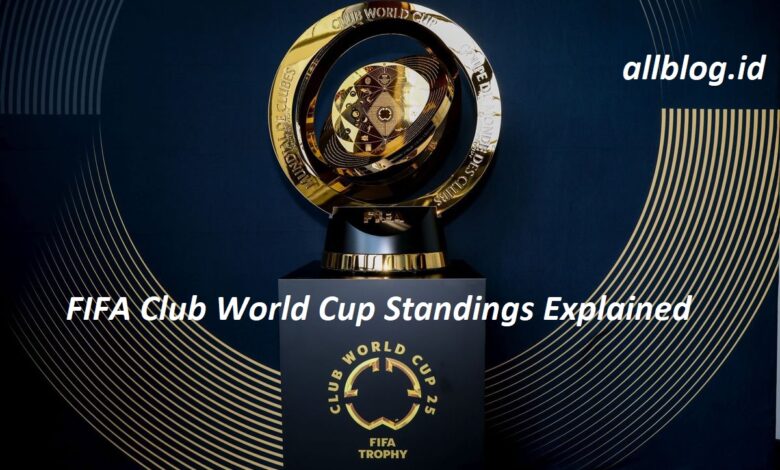
The FIFA Club World Cup Standings Explained is one of the most prestigious football tournaments in the global game. While domestic leagues and continental competitions dominate the footballing calendar, this annual competition crowns the ultimate champion of club football worldwide. Understanding the FIFA Club World Cup standings, the historical context, the champions who have lifted the trophy, and the surprising performances that have stunned fans provides an essential perspective on the global nature of the sport.
In this in-depth guide, we explore the history of the tournament, the evolution of its standings system, the legendary clubs that have etched their names into history, and the underdog stories that still inspire fans.
The Origins of the FIFA Club World Cup
The roots of the FIFA Club World Cup Standings Explained trace back to the idea of creating a global competition that goes beyond continental borders. Before the tournament existed, the Intercontinental Cup pitted the champions of Europe and South America against each other. While it was prestigious, it excluded clubs from other continents, particularly Asia, Africa, North America, and Oceania.
FIFA Club World Cup Standings Explained sought to design a truly global club competition where champions from each confederation could compete for the ultimate prize. The inaugural FIFA Club World Cup Standings Explained was held in Brazil in the year 2000. It featured clubs from all six continental federations along with the host nation’s representative. Though the tournament initially faced logistical challenges, it laid the foundation for what would become a yearly highlight of world football.
Structure and Standings of the Competition
The FIFA Club World Cup Standings Explained is structured around the champions of each continental federation:
- UEFA Champions League winner (Europe)
- CONMEBOL Copa Libertadores winner (South America)
- AFC Champions League winner (Asia)
- CAF Champions League winner (Africa)
- CONCACAF Champions Cup winner (North and Central America)
- OFC Champions League winner (Oceania)
- Host nation’s league champion
The standings of the tournament are determined by knockout matches, starting with a preliminary round involving champions from lower-ranked federations and the host nation’s team. Winners progress through the quarterfinals, semifinals, and ultimately to the final.
Unlike league standings where points accumulate, the FIFA Club World Cup Standings Explained follows a direct elimination format. Teams are ranked at the end of the tournament based on how far they advance, with the champion lifting the trophy, the runner-up claiming second, and subsequent positions awarded according to elimination stage and playoff matches.
This structure ensures that every match has high stakes and keeps fans around the world engaged with the drama of knockout football.
Evolution of the Tournament
Since its inception, the FIFA Club World Cup Standings Explained has undergone several changes. After the first edition in 2000, the tournament was suspended for a few years due to organizational issues. It returned in 2005 with a refined format and has been held annually ever since.
The early years saw European and South American dominance, but as football has developed globally, clubs from other regions have become increasingly competitive. FIFA Club World Cup Standings Explained has also announced plans to expand the competition into a larger tournament with more clubs, aiming to give it the same weight and prestige as the World Cup for national teams.
The standings of future editions are expected to reflect this expanded inclusivity, creating more opportunities for clubs worldwide to compete on the grandest stage.
Legendary Champions of the FIFA Club World Cup
When examining the standings across history, certain clubs have stood out as consistent champions.
European Giants
European clubs, particularly those from Spain, England, and Germany, have dominated the competition. Real Madrid holds the record for the most titles, showcasing their ability to translate continental dominance into global triumphs. FC Barcelona, Bayern Munich, and Liverpool have also secured the trophy, solidifying Europe’s reputation as the powerhouse of club football.
South American Heroes
Clubs from South America, especially Brazil, have also made their mark. Teams like Corinthians, Internacional, and São Paulo have lifted the trophy, bringing immense pride to their region. South American clubs thrive in this competition due to their fierce competitiveness and tradition of producing world-class talent.
Memorable Finals and Iconic Moments
The FIFA Club World Cup Standings Explained has produced some unforgettable matches that remain etched in football history.
- In the inaugural 2000 tournament, Corinthians lifted the trophy in front of their home fans, proving the event’s potential to captivate global audiences.
- Barcelona’s triumph in 2009 under Pep Guardiola was particularly memorable, as it crowned a golden era for the Catalan club.
- Real Madrid’s series of victories during the 2010s cemented their dominance and established them as the ultimate Club World Cup specialists.
- South American shocks, such as Internacional’s victory over Barcelona in 2006, remain a reminder that no match is ever predictable.
These finals not only determined the standings for the tournament but also highlighted the balance of power in world football.
Surprising Performances and Underdog Stories
One of the most captivating aspects of the FIFA Club World Cup Standings Explained standings is the opportunity for underdogs to shine. Clubs from Asia, Africa, and other regions have used the platform to surprise global giants.
- Kashima Antlers from Japan reached the final in 2016 and pushed Real Madrid into extra time, showing the strength of Asian football.
- Raja Casablanca of Morocco stunned Atlético Mineiro in 2013 and earned a place in the final against Bayern Munich.
- Al-Ahly of Egypt has consistently impressed, regularly finishing in the top positions and gaining recognition as one of Africa’s most successful clubs.
- Tigres UANL of Mexico became the first CONCACAF team to reach the final in 2020, representing North America with pride.
These stories demonstrate that while the standings often favor Europe and South America, football remains a global game where surprises are always possible.
The Global Impact of the FIFA Club World Cup
Beyond the standings and champions, the tournament plays a vital role in global football. It offers exposure for clubs from less-publicized leagues, allows players to showcase their skills on an international stage, and builds connections between football cultures from different continents.
For fans, the competition provides a unique chance to see how their local champions fare against global giants. For FIFA Club World Cup Standings Explained, it represents a step toward making football truly universal.
The Future of the FIFA Club World Cup
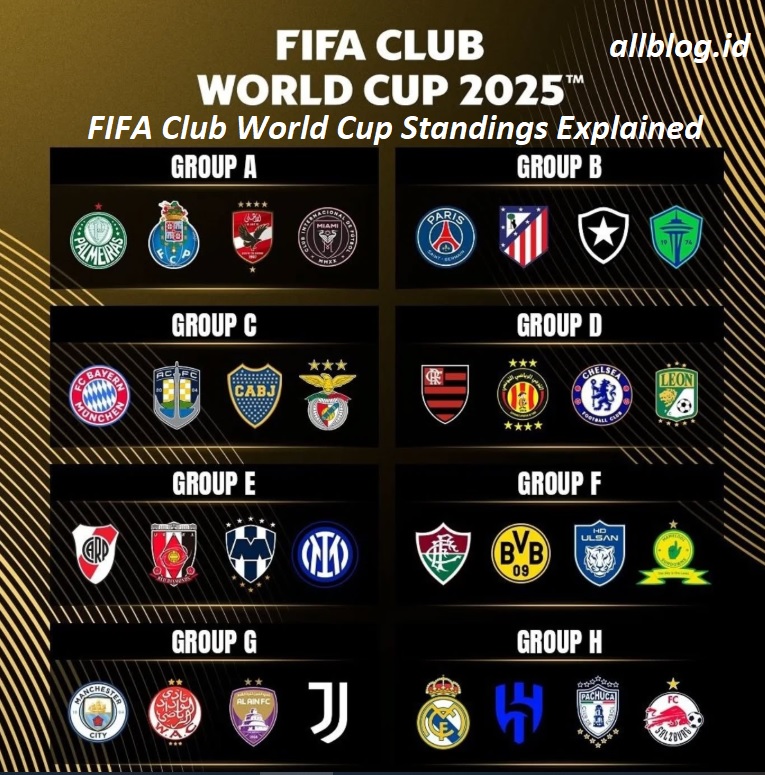
FIFA Club World Cup Standings Explained has announced its plans to expand the Club World Cup into a larger tournament with more teams. This expansion will reshape the standings, potentially including group stages before knockout rounds, and will increase the opportunities for more clubs to compete.
The expanded format is expected to heighten the tournament’s prestige, making it a must-watch event comparable to continental competitions. It will also bring new dynamics, as more underdogs will have a platform to test themselves against elite opposition.
Why the Standings Matter
The FIFA Club World Cup Standings Explained standings offer more than just a record of winners and losers. They serve as a snapshot of global football at any given time, revealing where the balance of power lies. When European clubs dominate, it reflects the financial strength and competitive level of Europe. When South American or Asian clubs break through, it highlights the talent and determination thriving outside Europe’s borders.
For clubs, high standings enhance prestige, attract sponsorships, and strengthen global recognition. For players, success in the tournament is a career-defining achievement, often remembered alongside domestic and continental triumphs.
Conclusion
The FIFA Club World Cup Standings Explained is more than a competition; it is a celebration of global football. Its standings tell stories of dominance, resilience, and surprises that continue to capture the imagination of fans around the world. From the historic triumphs of Real Madrid and Barcelona to the underdog runs of Kashima Antlers and Raja Casablanca, the tournament has delivered drama, excitement, and unforgettable moments.
As FIFA expands the format, the future promises even greater opportunities for clubs from every corner of the world to write their names into history. The FIFA Club World Cup Standings Explained standings will continue to evolve, reflecting the ever-changing landscape of world football, and reminding us all why the beautiful game belongs to everyone.