
Understanding the Confusion Around “Jam 10”
Jam 10 Pagi atau Siang Time expressions in Indonesian often sound simple but can lead to misunderstandings if not used carefully. One of the most common confusions is whether “Jam 10 Pagi atau Siang” refers to 10 in the morning or 10 at night. This confusion happens because, in everyday conversations, people tend to skip clarifying whether they mean “pagi,” “siang,” or even “malam.” For someone unfamiliar with the flow of Indonesian daily time references, this small omission can cause major miscommunication.
Let’s think of an example: when a friend texts you “ketemu Jam 10 Pagi atau Siang, ya,” what do you assume? Most people would think of 10 in the morning, but technically it could mean 10 at night. Unless there’s a context—like a breakfast meeting or a night concert—you might end up arriving at the wrong time. That’s why clarifying time markers is essential in daily interactions.
Another factor adding to the confusion is that Indonesians commonly use both the 12-hour format and the 24-hour format depending on the situation. While official documents or flight schedules will use 24-hour notation (like 22.00 for 10 PM), casual conversations usually stick to the 12-hour clock. This dual system, though practical, can easily trip up people who aren’t used to switching between them.
The Role of “Pagi,” “Siang,” “Sore,” and “Malam”
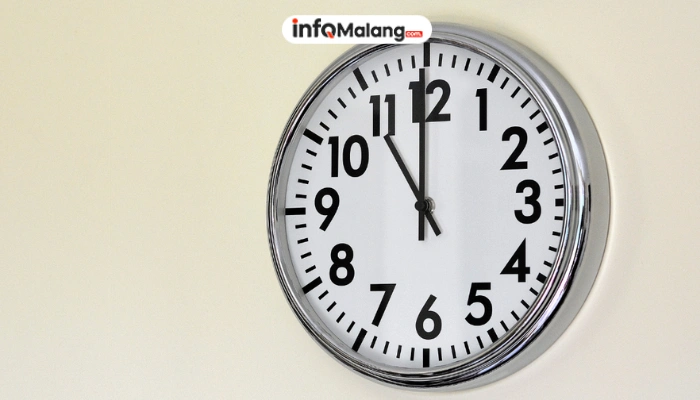
In Indonesian, the key to solving this confusion lies in the time-of-day markers: Jam 10 Pagi atau Siang, and malam. These words serve as anchors to specify which part of the day we are talking about. Without them, “Jam 10 Pagi atau Siang” becomes ambiguous.
Pagi typically refers to the time from sunrise until around 11 a.m. So when someone says “Jam 10 Pagi atau Siang,” it is almost always clear they mean 10 in the morning. This is the most common interpretation, especially for work or school-related matters.
Siang covers the period from around 11 a.m. to 3 p.m. That means technically, “jam 10 siang” is not commonly used because 10 o’clock is still considered morning. However, some people casually mix terms and might say “jam 10 siang,” causing a bit of confusion.
Sore usually starts around 3 p.m. until sunset, while malam begins after sunset until just before midnight. Thus, if someone means 10 at night, the correct phrase would be “jam 10 malam,” not “jam 10 siang.”
The tricky part is that people sometimes stretch or bend these definitions. For example, in certain regions, what one person calls “siang” might still be considered “pagi” by others. This cultural nuance is why being explicit about whether it’s morning or night becomes so important.
Why “Jam 10 Siang” is Problematic
The phrase “Jam 10 Pagi atau Siang” often pops up in casual speech, but linguistically it doesn’t sit well. Why? Because by convention, “siang” only starts around 11 a.m., so 10 a.m. technically falls into “pagi.” Using “jam 10 siang” might confuse the listener, especially if they are more precise about time classification.
Still, we can’t deny that language is shaped by usage. Some people genuinely feel that anything after 9 a.m. can already be considered “Jam 10 Pagi atau Siang.” In those cases, “jam 10 siang” becomes a colloquial way of saying “late morning.” This relaxed approach is common in informal conversations among friends or family, but it can create issues in professional settings. Imagine telling a client to meet at “jam 10 siang” and they show up at 11 a.m. instead of 10 a.m.—not ideal.
In short, while you might hear “Jam 10 Pagi atau Siang” here and there, it’s better avoided if your goal is to communicate clearly. Stick with “Jam 10 Pagi atau Siang” for 10 a.m. and “jam 10 malam” for 10 p.m. This simple discipline eliminates unnecessary back-and-forth clarifications.
Cultural Habits That Influence Time Perception
Interestingly, the confusion around “Jam 10 Pagi atau Siang” isn’t just about vocabulary—it’s also tied to cultural habits. Indonesians are generally known for being flexible with time, sometimes referred to humorously as “jam karet” (rubber time). Because of this, exact hours aren’t always taken literally. Saying “jam 10” might really mean “around 10,” whether that’s 9:50, 10:30, or even later.
Another factor is how routines shape our perception of time. For office workers, “jam 10” is still firmly within the morning work block, so “Jam 10 Pagi atau Siang” feels natural. But for people in hospitality or nightlife, “jam 10” might more likely mean 10 at night, since their activities often peak in the evening. Context, therefore, plays a huge role in interpreting what “jam 10” actually means.
Additionally, regional differences matter. In urban areas, people tend to be more precise, especially because schedules are tighter. In rural areas, time can feel more fluid, and markers like “Jam 10 Pagi atau Siang” or “sore” may have broader interpretations. This diversity is beautiful but also adds to the complexity of using time correctly in conversations.
Practical Tips to Avoid Misunderstanding
Now that we’ve identified the problem, how do we avoid falling into the trap of miscommunication? The answer is surprisingly simple: be explicit. Instead of just saying “jam 10,” always add the time marker, whether it’s “pagi,” “malam,” or even “Jam 10 Pagi atau Siang” if you must. Clear communication saves everyone the headache of guessing.
Another tip is to confirm time in writing when possible, especially for important events. If you’re arranging a meeting, sending a message like “Besok Jam 10 Pagi atau Siang kita ketemu” removes all doubt. In professional contexts, using the 24-hour format can also be a lifesaver. Writing “10.00” versus “22.00” leaves no room for misinterpretation.
Finally, train yourself to ask for clarification when someone else is vague. A simple follow-up like “jam 10 pagi atau malam?” may sound overly cautious at first, but it demonstrates responsibility and avoids bigger problems later. Remember, it’s always better to double-check than to show up 12 hours early—or late.
When Flexibility is Acceptable
Despite all this emphasis on precision, it’s worth noting that in some contexts, being relaxed about “jam 10” isn’t a big deal. Among friends planning to hang out, “jam 10” can simply serve as a loose guideline. If everyone involved has a shared understanding of the time frame, then saying “Jam 10 Pagi atau Siang” might just mean “late morning, don’t stress about being exact.”
Similarly, in storytelling or casual conversation, people use time terms more loosely. You might hear someone say, “Kemarin aku bangun Jam 10 Pagi atau Siang,” and you immediately understand they meant waking up late in the morning. In this case, the phrase works because the context makes it obvious.
So while precision is important in formal settings, flexibility has its place in everyday talk. The key is knowing when each approach is appropriate. Professional commitments require clarity, but personal chats allow for more freedom in how we use “Jam 10 Pagi atau Siang.”
Conclusion: Use Time Markers Wisely
At the end of the day, the debate over “jam 10 pagi atau siang” boils down to context, clarity, and convention. Technically, 10 o’clock belongs to the morning, so “Jam 10 Pagi atau Siang” is the correct expression. Calling it “Jam 10 Pagi atau Siang” is more of a casual shortcut that can lead to misunderstandings if you’re not careful.
Language is flexible, but communication is about ensuring your message lands correctly. By consistently adding “pagi,” “siang,” “sore,” or “malam” after the hour, you remove ambiguity and show respect for the listener’s time. And when in doubt, confirm—better safe than sorry.
So next time someone asks to meet at “jam 10,” don’t hesitate to clarify: pagi atau malam? That small question could save you from a very long and unnecessary wait.