UMR Bandung 2024: Comprehensive Insights into Wages, Living Standards, and Economic Dynamics

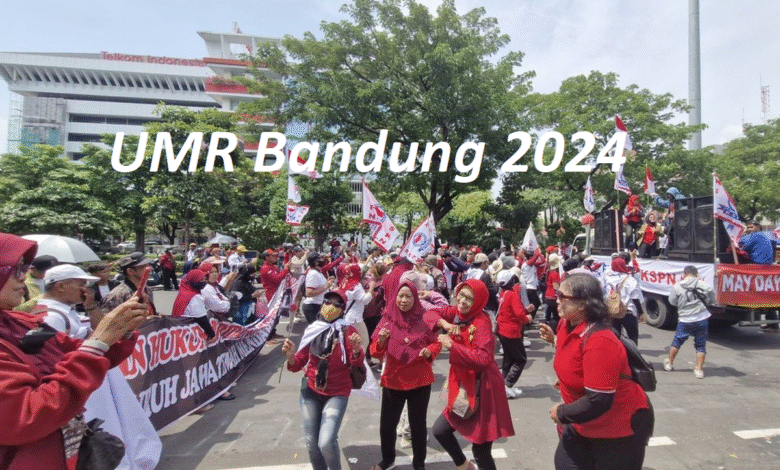
The topic of UMR Bandung 2024 has become an essential subject of discussion for workers, employers, and policymakers alike. UMR Bandung 2024, which stands for Upah Minimum Regional or Regional Minimum Wage, serves as the official benchmark for fair compensation within a specific region. For Bandung, one of Indonesia’s most vibrant cities and a center of education, tourism, and creative industries, the minimum wage is more than just a financial figure. It reflects living standards, economic growth, and the balance between labor rights and business sustainability.
This article provides an in-depth exploration of UMR Bandung 2024, analyzing its implications for workers, industries, and the broader economy. It also examines challenges, opportunities, and future prospects in a way that ensures clarity, relevance, and insight for professionals, business owners, and workers seeking to understand this crucial subject.
Understanding UMR Bandung 2024 and Its Role in Bandung’s Economy
The Regional Minimum Wage is designed to guarantee workers a base level of income that aligns with living costs in each region. Bandung, known as the capital of West Java Province, is a dynamic city with a diverse economy ranging from manufacturing and technology to creative sectors like fashion, culinary arts, and tourism. The UMR Bandung 2024 for Bandung must therefore strike a balance between affordability for businesses and sufficiency for workers’ daily needs.
Unlike national wage policies, UMR Bandung 2024 is set regionally to account for cost-of-living differences. Bandung’s wage level often stands out compared to smaller towns in West Java due to higher urban expenses, yet it remains below wages in Indonesia’s largest metropolitan areas like Jakarta.
The 2024 Adjustment: Key Factors Behind UMR Bandung
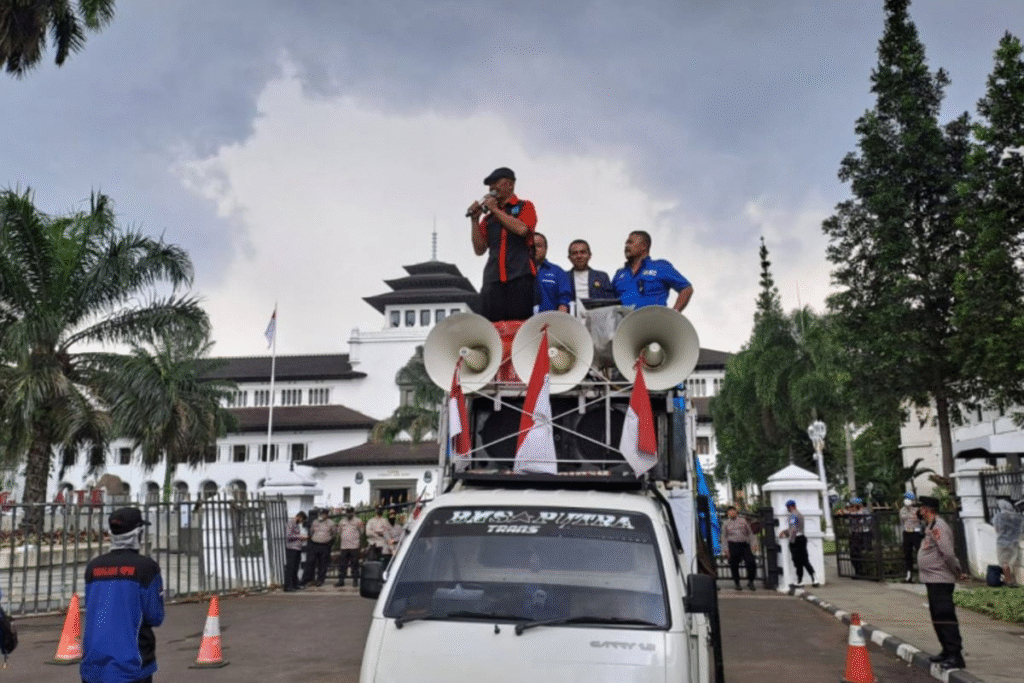
Every year, UMR Bandung 2024 adjustments are influenced by multiple factors, including inflation rates, economic growth, consumer price indexes, and overall productivity. For 2024, several key dynamics shaped Bandung’s minimum wage determination:
- Inflationary Pressures: Rising costs in food, housing, and transportation directly impact workers’ purchasing power, prompting higher wage demands.
- Economic Recovery: Following global economic shifts, Bandung’s industries aim to stabilize while ensuring workforce retention.
- Regional Competitiveness: Policymakers must ensure that Bandung remains attractive for investors while avoiding wage stagnation that harms workers.
- Labor-Employer Negotiations: Dialogue between trade unions, employer associations, and government institutions plays a crucial role in setting fair levels.
The result is a wage figure meant to serve as both a safety net and a motivator for better living conditions in Bandung.
Living Standards in Bandung and the Meaning of UMR
For workers, UMR Bandung 2024 represents more than a monthly paycheck. It connects directly to the reality of daily life in Bandung. The city, famous for its cultural richness and natural beauty, has also experienced rising living costs, particularly in urban districts. Rent, transportation, food, and healthcare expenses must all be considered when evaluating the adequacy of the minimum wage.
While many workers find UMR Bandung 2024 sufficient for basic survival, others argue that it falls short of ensuring comfort or long-term financial stability. Middle-class aspirations such as education for children, access to quality healthcare, and opportunities for leisure often require income beyond UMR levels. This gap between minimum wage and middle-class living standards remains an ongoing discussion point in Bandung’s socio-economic landscape.
Impact of UMR Bandung 2024 on Workers
1. Financial Security
For entry-level workers, especially in manufacturing, retail, and services, UMR Bandung 2024provides a legal safeguard against exploitative wages. It ensures that every worker receives a baseline salary aligned with regional living standards.
2. Motivation and Productivity
A fair minimum wage helps boost morale, which can translate into improved workplace productivity. Workers who feel secure in their earnings are often more engaged and motivated.
3. Career Choices
UMR levels influence employment decisions. Some workers accept jobs in Bandung rather than migrating to Jakarta or other regions because the wage difference no longer outweighs the cost of relocation.
Impact of UMR Bandung 2024 on Businesses
1. Operating Costs
For small and medium enterprises, wage increases pose significant challenges. Businesses must adjust budgets, pricing strategies, and overall efficiency to accommodate higher payrolls.
2. Workforce Retention
Fair wages help companies retain employees, reducing turnover costs. In sectors like hospitality and retail, stable wages can minimize staff shortages.
3. Competitiveness
Businesses that adapt to higher wage structures often find themselves better positioned to compete in quality-driven markets rather than solely focusing on low-cost labor strategies.
UMR Bandung in Comparison with Other Regions
Bandung’s UMR typically ranks higher than surrounding smaller towns but lower than Jakarta’s benchmark. This positioning reflects Bandung’s unique role as both an industrial hub and a cultural-educational center. Compared to regions with heavy reliance on agriculture, Bandung’s minimum wage reflects urban living dynamics. Yet, compared with metropolitan centers, it maintains relative affordability for investors.
Challenges Surrounding UMR Bandung 2024
- Cost of Living Gap
Even with adjustments, workers often find the wage insufficient for housing and family needs. Rising property prices in Bandung contribute to this challenge. - Small Business Struggles
Many micro and small enterprises operate on thin margins. Sudden increases in UMR put financial strain on these businesses, sometimes leading to downsizing or informal employment practices. - Informal Sector Expansion
Not all workers benefit from UMR. Informal employment, such as freelancers and unregistered laborers, often bypasses wage regulations, leaving many without proper wage protection.
Opportunities Created by UMR Bandung 2024
- Encouraging Innovation
With higher wage obligations, businesses are pushed toward innovation, automation, and improved efficiency to maintain profitability. - Worker Empowerment
Stronger wage protections foster a sense of dignity among workers, encouraging loyalty and commitment to employers. - Balanced Growth
UMR adjustments contribute to more equitable economic growth, reducing social disparities and creating a healthier consumer market.
The Future of Wage Policies in Bandung
Looking beyond 2024, UMR in Bandung will continue to evolve with economic conditions. Potential developments include:
- Living Wage Frameworks: Policymakers may shift focus from minimum wage to living wage, ensuring income not only covers survival but also enables quality living.
- Sector-Specific Adjustments: Different industries may require tailored wage regulations depending on their profitability and labor intensity.
- Digital Economy Impact: With the rise of startups and digital platforms, wage structures may need rethinking to cover gig economy workers.
Workers’ Perspective on UMR Bandung 2024
Workers’ unions consistently advocate for wage increases that match or exceed inflation. Many workers highlight the struggle to balance income with everyday expenses, particularly in urban Bandung. Some view UMR as a foundation for negotiation, while others feel it represents only the bare minimum for survival.
Employers’ Perspective on UMR Bandung 2024
Employers express concern about rising labor costs, particularly in labor-intensive industries such as textiles and hospitality. However, many acknowledge the necessity of fair wages for maintaining social stability and a motivated workforce. Progressive companies see wage increases as opportunities to enhance brand reputation and employee satisfaction.
Government’s Role in Balancing Interests
The government of West Java, alongside Bandung’s local administration, plays a critical role in mediating between labor and employers. Their responsibility lies not only in setting the UMR but also in enforcing compliance and supporting businesses with policies that encourage competitiveness. Incentives for small businesses, training programs for workers, and stricter oversight on wage implementation form part of this responsibility.
Broader Economic Implications of UMR Bandung
The ripple effect of wage policies goes beyond individual paychecks. When workers earn more, they spend more, fueling consumption and supporting local businesses. In turn, businesses reinvest in growth, leading to job creation. However, when wages rise too quickly without corresponding productivity, businesses may resort to automation or downsizing, which can limit employment opportunities. The balance is delicate and requires careful policy planning.
Conclusion: UMR Bandung 2024 as a Reflection of Progress
UMR Bandung 2024 embodies more than a regional wage figure—it represents the pulse of Bandung’s socio-economic dynamics. It illustrates the city’s effort to balance fair compensation for workers with sustainable growth for businesses. While challenges remain in bridging the gap between minimum income and actual living costs, the adjustments mark progress toward economic justice.
For workers, UMR Bandung is a sign of recognition, a guarantee of rights, and a foundation for building better lives. For employers, it is a reminder of responsibility and an opportunity to strengthen workplace culture. For Bandung as a city, it stands as a measure of how far its economy has grown and how much potential it holds for the future.
As Bandung continues to evolve as a hub of creativity, innovation, and culture, wage policies like UMR will remain at the center of conversations about fairness, prosperity, and development. The journey ahead involves collaboration among workers, employers, and policymakers to ensure that the promise of UMR Bandung 2024 translates into genuine progress for all.