Exploring the Calon Gubernur Jawa Barat: and Their Vision for West Java’s Future

Introduction: A Region at the Crossroads
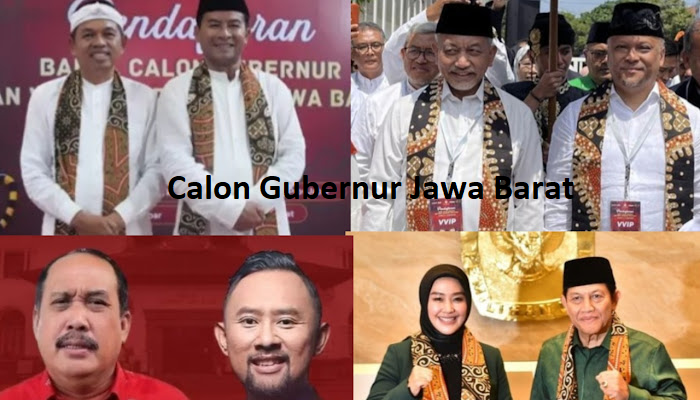
West Java, or Calon Gubernur Jawa Barat, has always been one of the most dynamic provinces in Indonesia. With its blend of industrial hubs, thriving agricultural lands, creative cities, and rich cultural identity, it stands as both an economic engine and a cultural heartland. Now, as the next gubernatorial election approaches, all eyes are on the Calon Gubernur Jawa Barat—the candidates who aspire to lead this diverse region.
The role of a governor in West Java is not just about managing local affairs Calon Gubernur Jawa Barat. It is about shaping the trajectory of a province that influences national policy, business development, and social harmony. With a population exceeding 50 million, what happens in West Java often resonates far beyond its borders. This is why the vision, leadership style, and strategic planning of each candidate matter so deeply.
In this article, we will take a closer look at the calon gubernur Jawa Barat, explore the common themes in their platforms, and analyze how their visions might shape the province’s future. By breaking down their approaches, we can better understand what West Java’s next chapter might look like.
Understanding the Role of the Gubernur in West Java
To appreciate the significance of the candidates’ promises, we must first understand the role of a governor in Indonesia. The governor is not only the chief executive of the province but also acts as a bridge between the central government and local administrations Calon Gubernur Jawa Barat. This dual function places the governor in a position of both autonomy and responsibility.
In West Java, this responsibility is amplified by the province’s unique challenges. For instance, managing a balance between rapid urbanization and environmental sustainability is a constant struggle. Bandung and Bekasi face problems of congestion and pollution, while rural areas still battle with access to healthcare and infrastructure Calon Gubernur Jawa Barat. The governor must juggle the needs of these vastly different communities.
Additionally, West Java is a province of young people. With one of the largest youth populations in Indonesia, the demand for better education, more jobs, and opportunities for digital innovation is stronger than ever Calon Gubernur Jawa Barat. A gubernatorial candidate cannot ignore this demographic shift. Whoever takes office will need to speak the language of progress and future-readiness.
The Candidates: Calon Gubernur Jawa Barat 2024 and Beyond
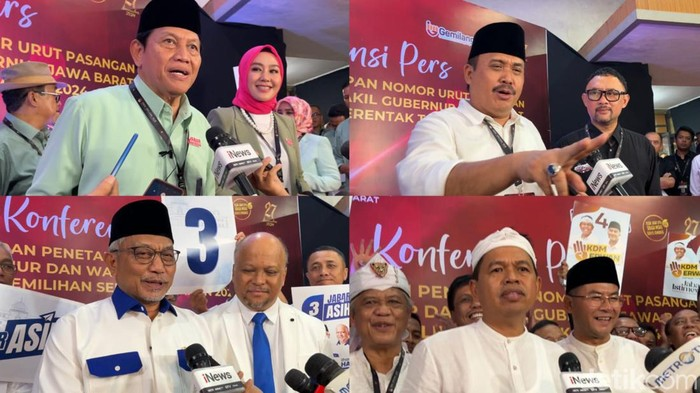
When discussing calon gubernur Jawa Barat, the focus isn’t just on personalities but also on their track records. Some candidates bring political experience, while others are newcomers with strong grassroots movements or technocratic expertise. This variety reflects the dynamic political culture of West Java.
Typically, the contenders include figures from major political parties, former mayors or regents with proven governance experience, and occasionally, outsiders with strong public appeal. Each brings a unique perspective: one might emphasize industrial growth, another cultural preservation, and yet another digital transformation Calon Gubernur Jawa Barat. The richness of these visions makes the election a fertile ground for debate.
What sets the West Java gubernatorial race apart is how intensely people care about local identity. Voters often want leaders who not only promise development but also embody the values of Sunda culture, humility, and inclusivity Calon Gubernur Jawa Barat. This cultural expectation influences how candidates craft their narratives and present their visions to the public.
Visions for Economic Growth and Opportunity
One of the most consistent themes in every candidate’s vision is economic development. West Java is home to several major industrial zones, including Bekasi, Karawang, and Purwakarta. These areas are crucial for manufacturing and exports Calon Gubernur Jawa Barat. A forward-thinking governor must ensure these industries remain globally competitive while also expanding opportunities for small and medium enterprises (SMEs).
Candidates often highlight infrastructure as the foundation of economic growth. From improving road connectivity to investing in digital infrastructure, the goal is to make West Java both an attractive investment hub and a convenient place to live Calon Gubernur Jawa Barat. Beyond physical infrastructure, many candidates also emphasize innovation hubs to support startups and creative industries in cities like Bandung.
Equally important is rural economic empowerment. Agriculture still plays a significant role in West Java’s economy. Farmers need better access to markets, technology, and financial services Calon Gubernur Jawa Barat. A visionary governor must recognize that sustainable growth requires lifting up both the urban industrial workforce and the rural agricultural communities. Without balance, inequality will only deepen.
Education and Youth Empowerment: Building the Next Generation
Education is another cornerstone in the visions of the calon gubernur Jawa Barat. With a young and ambitious population, candidates cannot afford to neglect schools, vocational training, and higher education institutions. Most of them talk about upgrading schools, but the real challenge lies in aligning education with market needs.
For instance, candidates frequently discuss programs to enhance STEM education, improve digital literacy, and integrate entrepreneurship into the curriculum Calon Gubernur Jawa Barat. The vision is not just about producing graduates but about nurturing problem-solvers who can thrive in a competitive, tech-driven world. Some candidates also propose closer partnerships between universities and industries to ensure smoother transitions into employment.
But youth empowerment is not limited to classrooms. It extends to creating safe spaces for creativity, supporting sports, and encouraging civic engagement. West Java’s youth are active in music, fashion, digital content creation, and social movements Calon Gubernur Jawa Barat. Harnessing this energy for positive change requires leadership that listens, collaborates, and provides platforms for expression.
Sustainability and Urban Challenges
No discussion of West Java’s future can ignore its environmental and urban challenges. The province faces flooding in certain regions, air pollution in industrial cities, and waste management issues across urban centers. Each candidate’s vision is tested by how realistically they address these pressing concerns.
Many propose green infrastructure, such as building eco-friendly public spaces, expanding public transportation, and investing in renewable energy. Others advocate for stricter regulations on industries that pollute rivers and air. There is also increasing talk about smart city solutions, using technology to manage traffic, waste, and energy more efficiently.
Rural sustainability is just as critical. Protecting forests, rivers, and agricultural land ensures food security and ecological balance. Visionary leadership requires balancing the rush of development with the wisdom of preservation. In West Java, this balance is not just environmental—it is cultural, reflecting a long-standing respect for nature embedded in Sundanese traditions.
Culture, Identity, and Inclusive Governance
Beyond economics and sustainability, West Java’s gubernatorial race always circles back to culture and identity. The Sundanese heritage is a source of pride, and candidates who respect and promote local traditions often resonate deeply with voters. From promoting Sundanese language and arts in schools to supporting cultural festivals, this cultural vision reflects an understanding that progress must remain rooted in identity.
Inclusive governance is also a vital theme. West Java is home to diverse communities, including migrants from other provinces. The next governor must ensure policies that foster harmony, reduce inequality, and provide equitable access to resources. A vision that excludes marginalized groups would only deepen divides.
Strong leadership in West Java has historically come from those who embody ngahiji—unity. Candidates who demonstrate an ability to listen, include, and embrace different communities are often seen as more credible in guiding the province forward.
Conclusion: The Road Ahead for West Java
The upcoming election for gubernur Jawa Barat is more than a political contest. It is a moment where the province collectively decides what future it wants to embrace. Will it be one of rapid industrial expansion, digital innovation, sustainable living, or a careful balance of all? The answer lies in the visions articulated by the candidates and the choices made by the people.
As voters evaluate the calon gubernur Jawa Barat, they must look beyond promises and examine track records, feasibility, and sincerity. Every candidate can paint a picture of progress, but the true challenge lies in execution. With West Java’s complexity, only leaders with vision, empathy, and pragmatism will succeed.
Ultimately, West Java stands at a crossroads. The next governor will inherit both opportunities and challenges that demand bold but thoughtful action. Whether in economic development, youth empowerment, sustainability, or cultural preservation, the decisions made in the coming years will define not only West Java but also Indonesia’s broader trajectory. The people of West Java deserve leaders who see this responsibility not as a stepping stone, but as a mission to shape a better, more inclusive, and sustainable future.
You May Also Read
Linimasa Timnas Indonesia vs Tim Nasional Sepak Bola Arab Saudi
Indonesia National Team vs Saudi Arabia National Football Team