
Weather has always been a central part of human life Cuaca Besok Hujan atau Panas. It shapes our activities, our moods, and even our plans for the future. The simple question often asked—“cuaca besok hujan atau panas”—is more than just curiosity. It reflects our deep connection with nature and the desire to prepare for what lies ahead. Whether tomorrow brings sunshine or rainfall, understanding weather patterns helps us adapt and thrive in an ever-changing environment.
In this article, we will explore how weather predictions are made, why the balance between hot days and rainy days is important, and how tomorrow’s weather—be it rain or sunshine—affects daily routines, agriculture, health, and even culture.
The Fascination with Weather Predictions
Human beings have always been fascinated by the question of what tomorrow’s weather will bring. Long before modern science, people looked at the sky, studied animal behavior, and relied on traditional signs to determine whether cuaca besok hujan atau panas. Farmers would observe cloud formations, sailors would interpret the winds, and communities would pass down proverbs that connected natural phenomena with weather shifts.
Today, with the help of satellites, advanced radar systems, and artificial intelligence, meteorologists provide forecasts with increasing accuracy. Yet, despite the technology, the mystery remains captivating. The anticipation of rain or sunshine still sparks conversations across neighborhoods, offices, and social gatherings.
Why “Cuaca Besok Hujan atau Panas” Matters
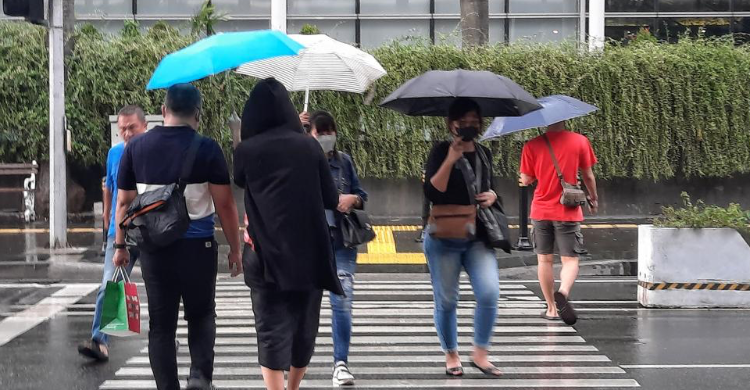
The question isn’t trivial Cuaca Besok Hujan atau Panas. Knowing whether tomorrow brings heat or rainfall has direct implications:
- Daily Planning: People adjust their schedules depending on the forecast. Sunshine may encourage outdoor activities, while rain calls for umbrellas and changes in transport.
- Agriculture: Farmers rely heavily on accurate forecasts to plan irrigation, harvesting, and planting. The difference between rain and sunshine can determine crop success.
- Health and Safety: Weather impacts physical well-being. Hot weather can lead to dehydration, while heavy rain may cause flooding or traffic hazards.
- Economy: From tourism to retail, entire industries are influenced by tomorrow’s weather conditions.
Thus, the curiosity surrounding cuaca besok hujan atau panas reflects a deeper need to prepare and adapt.
How Meteorologists Predict Tomorrow’s Weather
To answer whether tomorrow will be hot or rainy, meteorologists gather and analyze vast amounts of data. The process involves:
- Satellite Observations: Tracking cloud movements, storm formations, and large-scale climate patterns.
- Ground Stations: Recording temperature, humidity, wind speed, and air pressure.
- Computer Models: Using algorithms that simulate atmospheric changes to predict outcomes.
- Historical Data: Comparing current conditions with patterns observed in the past.
The collaboration of science and technology allows forecasters to provide updates with remarkable precision, though uncertainty still exists because the atmosphere is dynamic and constantly shifting.
Sunshine: The Warm Face of Tomorrow
When forecasts indicate Cuaca Besok Hujan atau Panas, people often associate it with positivity. Sunshine brings warmth, energy, and vibrancy to daily life. Psychologically, sunny weather is linked with optimism, motivation, and happiness. Outdoor events, sports, and tourism thrive under clear skies.
However, excessive heat also carries challenges. Prolonged high temperatures can result in dehydration, heatstroke, and discomfort. Urban areas with concrete surfaces may experience the “heat island effect,” making temperatures feel even hotter. Balancing hydration, using sunscreen, and wearing light clothing are essential practices when Cuaca Besok Hujan atau Panas is expected.
Rain: The Nourishing Side of Nature

On the other hand, when forecasts say Cuaca Besok Hujan atau Panas, the narrative shifts. Rain is often seen as a symbol of renewal, fertility, and cleansing. It replenishes rivers, nourishes crops, and cools down the environment. For many cultures, rain is celebrated as a blessing that sustains life.
Yet, rain can also bring disruption. Heavy rainfall may cause flooding, landslides, or transportation delays. For city dwellers, rain complicates commuting, while in rural areas, it can affect harvesting or outdoor work. Despite these challenges, rain remains a vital element in maintaining ecological balance and supporting biodiversity.
The Cultural Significance of Weather
Across the world, weather plays a profound role in shaping culture. The phrase “cuaca besok hujan atau panas” is not just a forecast—it reflects an age-old human tendency to link natural forces with emotions, rituals, and traditions.
- In Literature and Art: Sunshine often symbolizes joy and hope, while rain represents melancholy, transformation, or romance.
- In Music: Countless songs draw inspiration from rain and sunshine, associating them with moods and experiences.
- In Rituals: Some cultures hold ceremonies to pray for rain during droughts, while others celebrate festivals that welcome the summer sun.
Thus, weather becomes more than a natural event—it becomes a metaphor woven into daily life and cultural expression.
The Psychological Impact of Tomorrow’s Weather
Scientific studies reveal that weather can influence human emotions and productivity. Sunny days often encourage outdoor interaction, exercise, and social activities. Rainy days, while sometimes associated with gloom, also inspire reflection, creativity, and rest.
The question “cuaca besok hujan atau panas” is therefore tied not just to logistics but also to emotional preparation. Knowing tomorrow’s weather allows individuals to align their mindset with the expected atmosphere. For example:
- A sunny forecast may encourage planning a picnic or sports event.
- A rainy outlook may inspire cozy indoor gatherings, reading, or creative pursuits.
Weather and Modern Technology
In the digital era, checking tomorrow’s forecast has become second nature. Smartphones, smartwatches, and home assistants provide instant updates about whether cuaca besok hujan atau panas.
Technology also helps mitigate risks:
- Navigation Apps warn about weather-related traffic disruptions.
- Agricultural Tools use forecasts to guide irrigation systems.
- Smart Homes adjust indoor temperatures based on outside conditions.
By combining tradition with modern tools, society continues to refine its ability to adapt to weather shifts.
Climate Change and the Uncertainty of Tomorrow
While predicting tomorrow’s weather is useful, broader climate changes make forecasting more complex. Rising global temperatures, shifting rainfall patterns, and extreme weather events influence how we interpret cuaca besok hujan atau panas.
- Heatwaves: More intense and frequent than in the past.
- Unpredictable Rainfall: Sudden storms or prolonged droughts affecting ecosystems.
- Rising Seas: Coastal areas facing greater risks from storms and heavy rains.
These changes highlight the need for sustainable living, environmental awareness, and adaptation strategies. Understanding tomorrow’s weather goes hand-in-hand with recognizing the larger forces shaping our planet.
Preparing for Tomorrow: Practical Tips
Whether forecasts suggest rain or sunshine, preparation ensures safety and comfort. Here are some practices aligned with cuaca besok hujan atau panas:
- If Sunny:
- Stay hydrated.
- Wear protective clothing and sunscreen.
- Avoid excessive outdoor activity during peak heat.
- If Rainy:
- Carry an umbrella or raincoat.
- Plan travel to avoid traffic congestion.
- Be cautious of slippery roads and potential flooding.
Preparation turns uncertainty into confidence, allowing people to face tomorrow with resilience.
The Philosophy of Weather
Beyond practicality, there is a deeper philosophical lesson hidden in the question “cuaca besok hujan atau panas.” It teaches us about acceptance and adaptability. Just as we cannot control the weather, many aspects of life remain beyond our control. The choice lies in how we respond—embracing the sunshine with gratitude and facing the rain with patience.
Weather becomes a metaphor for resilience, reminding us that every storm eventually passes, and every sunny day eventually fades. Life, like the weather, is a cycle of change that invites us to remain flexible, hopeful, and prepared.
Conclusion: The Eternal Question
The simple query—cuaca besok hujan atau panas—is a timeless expression of human curiosity, practicality, and connection with nature. It is a question asked in countless homes, schools, farms, and offices, reflecting both necessity and wonder.
Whether tomorrow brings the warmth of sunshine or the refreshment of rain, the key lies in understanding, preparing, and appreciating the balance between the two. Weather, in all its forms, is not just an external condition—it is a mirror of life itself, constantly shifting, challenging us, and inspiring us to adapt.