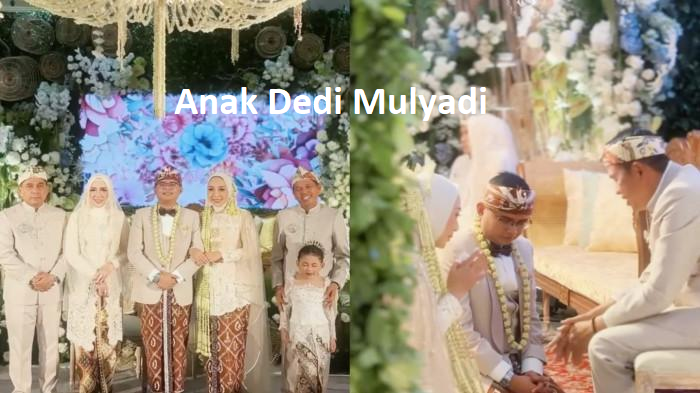
Introduction: Why the Name Anak Dedi Mulyadi Matters
When people hear the name Anak Dedi Mulyadi, many immediately think of his political journey, his deep cultural wisdom, and his role in West Java’s development. But in recent times, there’s growing curiosity not just about Dedi himself, but also about his family—especially his children, or in Indonesian, anak Dedi Mulyadi. It’s not unusual. Whenever a public figure rises to prominence, the public naturally wonders about their personal life, their values at home, and how their children are being raised.
The children of public figures often live in two worlds. On one hand, they grow up like any other kids—going to school, playing with friends, and experiencing all the normal stages of childhood. On the other, their lives are inevitably tied to the spotlight their parents stand in. For the children of someone like Dedi Mulyadi, who is not just a politician but also a cultural figure, this spotlight shines even brighter.
Understanding the story of anak Dedi Mulyadi means looking at more than just their names and faces. It’s about exploring the values instilled by their father, the environment they grew up in, and the way their lives reflect broader lessons about family, responsibility, and legacy.
Who Is Dedi Mulyadi? A Quick Background
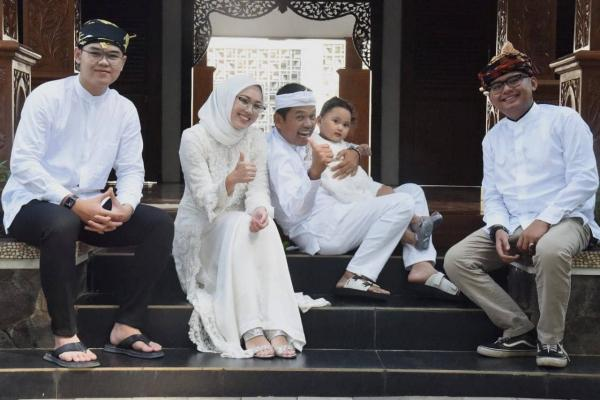
Before we dive deeper into the children, it’s worth pausing for a moment to talk about who Dedi Mulyadi is Anak Dedi Mulyadi. For those less familiar, Dedi is a well-known political figure from West Java, Indonesia. He has served as the Regent of Purwakarta and is recognized for blending modern leadership with traditional Sundanese values. His unique way of connecting governance with culture has made him stand out in Indonesian politics.
What makes him different from many politicians is his down-to-earth personality. He often emphasizes simplicity, humility, and closeness to the community. He doesn’t shy away from highlighting cultural roots, which is rare in today’s political landscape where modernity often overshadows tradition. This unique approach has not only defined his career but also his role as a father.
So when we talk about anak Dedi Mulyadi, we’re not just talking about children of a politician. We’re talking about children raised by someone who sees culture, ethics, and humanity as central to life. This background shapes their upbringing in ways that are both fascinating and inspiring.
The Family Environment: Values Passed Down at Home
The environment in which children grow up plays a huge role in shaping who they become. For anak Dedi Mulyadi, that environment is filled with lessons about humility, respect, and cultural appreciation. Unlike families of politicians who may live in big houses cut off from society, Dedi is known for staying grounded and approachable. That sense of simplicity naturally filters down to his children.
One of the strongest values that Dedi emphasizes is respect for tradition. He often integrates Sundanese cultural wisdom into daily life, not as something rigid, but as a living, breathing part of family values. Imagine growing up in a household where stories of ancestors, folklore, and local philosophy aren’t just bedtime stories but guiding principles. That’s the kind of environment his children are likely surrounded by.
Another key value is education—not just formal education, but also life education. Dedi frequently talks about the importance of being street-smart, socially aware, and emotionally intelligent. For his children, this means they’re encouraged not just to excel in school but also to develop empathy, resilience, and a strong sense of responsibility toward others.
Growing Up as Anak Dedi Mulyadi: The Challenges and Privileges
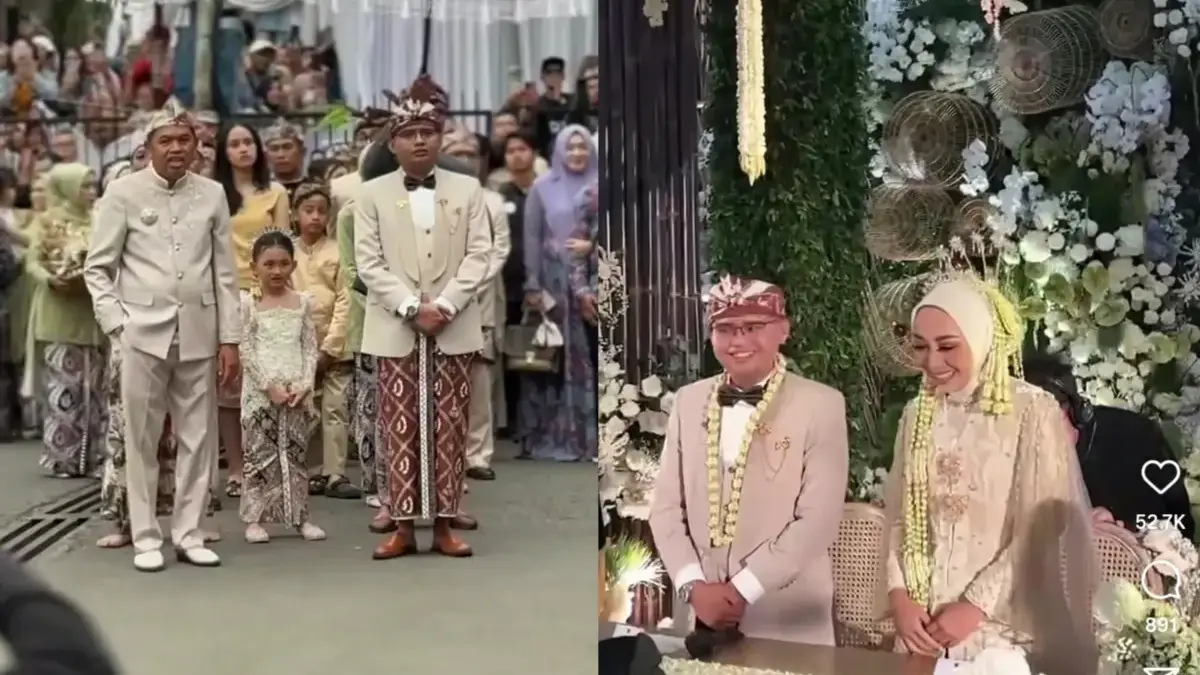
Being the child of a public figure comes with its own unique set of challenges. On the positive side, anak Dedi Mulyadi are exposed to opportunities and networks that most children might not have. They get to see leadership up close, understand community issues firsthand, and learn what it means to be in service of others from an early age.
But privilege often comes with pressure. Living in the shadow of a famous parent can sometimes be overwhelming. People naturally expect children to “live up” to their parent’s name, even when they’re still just figuring out their own path in life. For anak Dedi Mulyadi, this might mean constant public attention, comparisons, and assumptions about their future.
Despite these challenges, there’s also a hidden advantage. With Dedi’s emphasis on humility and grounded values, his children are likely guided to handle public attention with grace. Instead of letting fame define them, they’re encouraged to build their own identity. That balance—between privilege and responsibility—is a crucial part of their journey.
The Role of Culture in Their Upbringing
One of the most fascinating aspects of anak Dedi Mulyadi’s story is the strong cultural influence in their upbringing. Dedi himself is known for wearing traditional Sundanese attire in his political appearances, blending modern governance with local tradition. Naturally, his children absorb some of this cultural pride.
Growing up with cultural values doesn’t mean being stuck in the past. Instead, it provides a strong foundation. For instance, Sundanese philosophy often emphasizes harmony with nature, respect for elders, and humility in everyday life. These aren’t just abstract concepts; they are principles that can guide decision-making, behavior, and relationships.
For the children, culture becomes both an identity marker and a compass. It keeps them grounded in who they are, even as they navigate the modern world. And in an era where many young people are disconnected from their roots, that’s a powerful gift.
Public Curiosity: Why People Care About Anak Dedi Mulyadi
It’s natural to ask: why does the public care so much about the children of figures like Dedi Mulyadi? Part of the answer lies in human curiosity. People always want to know the “person behind the public figure,” and children often represent that private side.
But there’s also another reason. In many ways, children symbolize the continuation of a legacy. For a leader like Dedi, who represents values larger than himself, people wonder whether those values will carry on through his children. It’s almost like looking at the next chapter of a story everyone is invested in.
Of course, it’s important to remember that children are individuals. They may choose paths entirely different from their father’s. But that curiosity remains, not out of gossip, but out of genuine interest in how values are passed down from one generation to the next.
Lessons We Can Learn from Their Story
The story of anak Dedi Mulyadi isn’t just about one family. It carries broader lessons that anyone can take inspiration from. The first lesson is about parenting. Dedi shows that leadership doesn’t stop at public office—it starts at home. The way he integrates cultural wisdom and humility into family life is something any parent can learn from.
The second lesson is about identity. In a globalized world, it’s easy to lose touch with one’s roots. By raising his children with strong cultural values, Dedi highlights the importance of knowing where you come from, no matter how far you go in life.
The third lesson is about balance. The children of public figures often live between two worlds: the private and the public. Watching how anak Dedi Mulyadi handle that balance can inspire us to manage our own challenges between personal identity and societal expectations.
Conclusion: The Ongoing Journey of Anak Dedi Mulyadi
At the end of the day, the story of anak Dedi Mulyadi is still being written. They’re young, still exploring life, and still discovering who they want to be. What we do know is that they’ve been given a strong foundation—cultural pride, humility, and a sense of responsibility—that will guide them no matter what paths they choose.
For the public, their journey will always carry a sense of intrigue, not because of fame alone, but because of the values tied to their father’s legacy. And for anyone looking at their story, there’s much to learn—about parenting, about culture, and about how to live a life grounded in values while navigating the modern world.
So when people search for anak Dedi Mulyadi, they’re not just searching for names and faces. They’re searching for a story that connects family, culture, and legacy—a story that continues to unfold with each passing day.
You May Also Read
Linimasa Timnas Indonesia vs Tim Nasional Sepak Bola Arab Saudi
Indonesia National Team vs Saudi Arabia National Football Team