Barcelona vs Madrid: El Clásico, History, and the Battle for Spain’s Identity

Few rivalries in the world ignite as much passion, intrigue, and global attention as Barcelona vs Madrid. Known universally through the iconic football showdown of El Clásico, this clash represents far more than a sporting contest. It is a narrative of history, politics, identity, and culture—woven into the very fabric of Spain. Barcelona vs Madrid is not merely about goals and trophies; it is about the struggle between two visions of a nation, two proud cities, and two powerful symbols of heritage.
This article takes a deep dive into the multifaceted dimensions of the rivalry, from its historical roots and cultural expressions to its economic significance and global resonance. By the end, one realizes that Barcelona vs Madrid is more than a game—it is a saga that continues to define Spain.
Historical Foundations of the Rivalry
The tension between Barcelona vs Madrid did not begin on the pitch. Its roots stretch deep into Spanish history, where issues of political power, regional identity, and cultural pride took center stage.
Madrid, founded as Spain’s capital in the sixteenth century, symbolized centralized authority. As the seat of the monarchy, it projected the vision of a united Spain. Laws, governance, and decision-making emanated from its core, making it the hub of political and economic control.
Barcelona vs Madrid, on the other hand, flourished as a Mediterranean trading hub. Its people spoke Catalan, embraced a distinct culture, and fostered a sense of autonomy. With its own traditions, language, and customs, Catalonia developed an identity separate from Castile and Madrid.
Throughout history, attempts at centralization often clashed with Catalonia’s desire for independence. During the dictatorship of Francisco Franco, Catalan culture was severely suppressed. The Catalan language was banned in schools and public spaces, while symbols of regional pride were outlawed. Madrid, as the symbol of Franco’s power, became synonymous with repression. For many Catalans, the football pitch of Camp Nou became one of the few places where collective expression could still thrive.
This historical backdrop laid the foundation for one of the fiercest rivalries in the world.
Barcelona: A City of Innovation and Defiance
Barcelona vs Madrid represents a spirit of creativity and resistance. Known for its breathtaking architecture by Antoni Gaudí, the city is a masterpiece of modernism and imagination. From the flowing forms of the Sagrada Família to the colorful mosaics of Park Güell, Barcelona expresses a culture that refuses to conform.
Catalan identity is deeply embedded in the city’s life. Festivals such as La Mercè, the human towers of castells, and the celebration of Sant Jordi highlight traditions that are proudly distinct from those of central Spain. Even the language—Catalan—serves as a badge of cultural uniqueness.
Barcelona vs Madrid also thrives as an economic powerhouse. Its strategic position on the Mediterranean has made it a hub for trade, tourism, and innovation. Startups flourish here, and international conferences flock to its modern venues. Yet, beneath its global character lies a strong sense of local pride, which continuously fuels the desire for greater autonomy.
Madrid: The Capital of Unity and Power
Madrid stands in contrast as the center of Spanish political authority. From the Royal Palace to the grand Plaza Mayor, the city radiates the symbolism of unity, tradition, and power. It embodies the vision of Spain as a centralized state, with the government, monarchy, and major financial institutions residing within its borders.
But Madrid is far more than a capital of bureaucracy. It is a vibrant metropolis alive with culture, nightlife, and tradition. The Prado Museum houses masterpieces by Velázquez and Goya, while flamenco music and dance keep alive the rhythms of Andalusian influence. The city pulses with energy, where tapas bars, literary cafés, and bustling markets create a rich cultural mosaic.
Madrid also plays a critical role in shaping Spain’s economic landscape. As a hub for banking, business, and diplomacy, it drives much of the nation’s financial activity. If Barcelona vs Madrid embodies creativity, Madrid embodies stability and strength.
El Clásico: More Than a Match
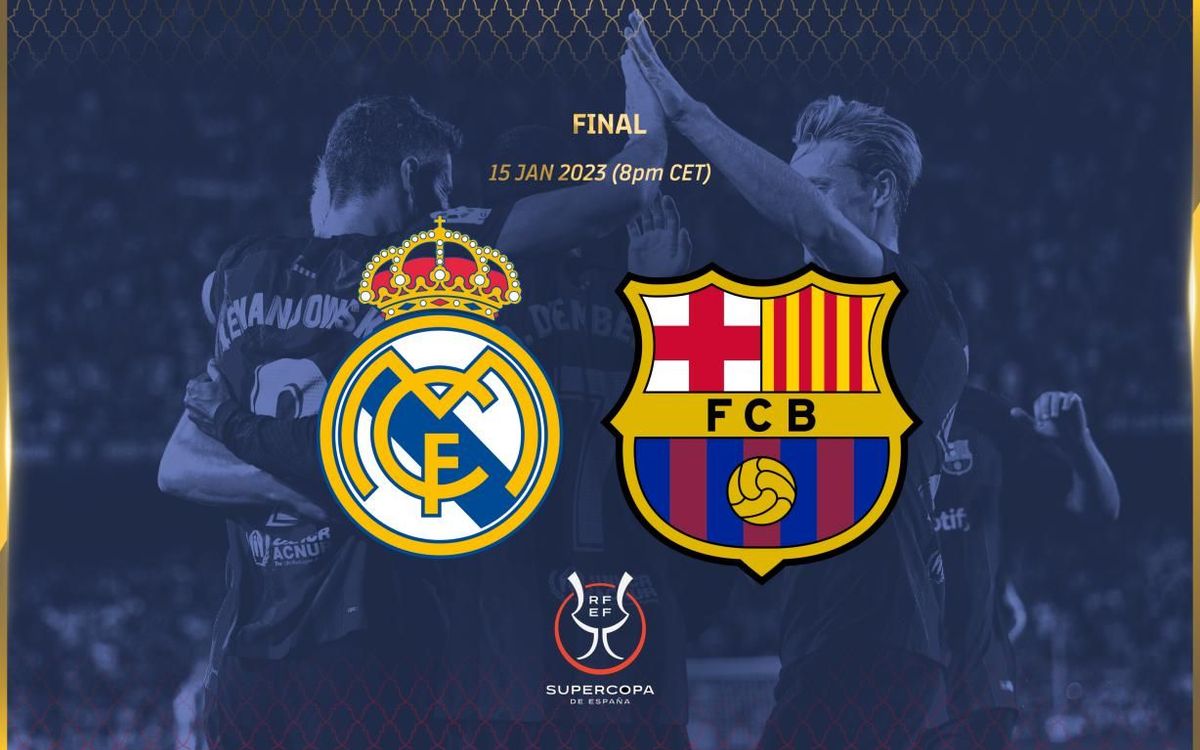
The rivalry between FC Barcelona and Real Madrid, known worldwide as El Clásico, is the pinnacle of Barcelona vs Madrid competition. It is not just a football match; it is a battle of symbolism and pride.
For Barcelona vs Madrid fans, the club is not merely a team but a representation of their identity. The motto Més que un club (“More than a club”) underscores this philosophy. Camp Nou becomes a stage where Catalans can express their collective aspirations, hopes, and defiance.
Real Madrid, on the other hand, has long been associated with Spain’s monarchy and political elite. During the Franco era, it was seen as the favored club of the regime. Although those associations have softened, Real Madrid still represents the capital and, in many ways, the establishment.
On the pitch, El Clásico has showcased some of football’s greatest legends. From the artistry of Lionel Messi and Andrés Iniesta to the brilliance of Cristiano Ronaldo and Alfredo Di Stéfano, the matches have been theaters of skill, rivalry, and drama. Millions around the globe tune in, making El Clásico one of the most-watched sporting events in the world.
Every goal, every victory, and every controversy resonates beyond sport. For fans, a win is not just about points in a league table—it is about identity, pride, and symbolic triumph.
Cultural Dimensions of the Rivalry
Beyond football, the Barcelona vs Madrid rivalry plays out in art, literature, food, and daily life.
Barcelona vs Madrid prides itself on innovation and modernism. Street art, cutting-edge design, and avant-garde literature flourish here. Its cuisine emphasizes Mediterranean flavors: fresh seafood, olive oil, and local wines. Dining in Barcelona often feels like a celebration of creativity and freshness.
Madrid, by contrast, emphasizes tradition and heritage. Flamenco, bullfighting (though increasingly controversial), and religious processions highlight its cultural identity. Madrid’s cuisine, hearty and rooted in Castilian tradition, offers iconic dishes like cocido madrileño and churros with chocolate.
Even in language, the rivalry is clear. Barcelona vs Madrid champions Catalan alongside Spanish, while Madrid emphasizes Castilian Spanish as the national standard. These cultural differences reinforce the sense that Barcelona and Madrid are two distinct worlds within one nation.
Political and Economic Battles
The rivalry is also deeply political. Catalonia’s push for independence, especially in recent years, has put Barcelona vs Madrid at the heart of Spain’s most contentious debates. Demonstrations, referendums, and calls for autonomy highlight the enduring tension between regional identity and national unity.
Madrid, as the seat of government, often stands in opposition. The central government has resisted independence movements, emphasizing the importance of national cohesion. These conflicts spill over into the streets, the media, and even football stadiums, where chants and banners express political sentiments as passionately as any rally.
Economically, the two cities also compete for influence. Barcelona shines in tourism, international trade, and creative industries, while Madrid dominates finance, banking, and infrastructure. Each city plays to its strengths, and both are vital to Spain’s overall prosperity. Yet their competition often sparks debates about resource distribution, investment priorities, and regional fairness.
Tourism and Global Image
From a global perspective, Barcelona vs Madrid each attract millions of visitors, but their appeals are distinct.
Barcelona vs Madrid offers beaches, Gaudí’s architectural wonders, and a cosmopolitan atmosphere. Its vibrant nightlife, seaside promenades, and artistic neighborhoods make it a magnet for international travelers. It is seen as youthful, stylish, and rebellious—a city of endless creativity.
Madrid, by contrast, offers royal grandeur, historic squares, and cultural treasures like the Prado Museum. Its nightlife is legendary, with tapas bars and clubs alive until dawn. Madrid is seen as elegant, traditional, and powerful—a city that defines Spanish heritage.
Together, these two cities give Spain a dual identity on the world stage, attracting diverse audiences while reinforcing the rivalry.
Media and Pop Culture Influence
The rivalry has been amplified by media and popular culture. Newspapers, television networks, and social media platforms cover every twist in El Clásico, every political dispute, and every cultural comparison. The narrative of Barcelona vs Madrid has become a story consumed globally, turning the rivalry into a brand of its own.
In cinema, literature, and music, the contrasts between the two cities often serve as metaphors for broader themes of identity and conflict. Pop culture has embraced Barcelona vs Madrid as the modernist rebel and Madrid as the elegant traditionalist, reinforcing the storyline for audiences everywhere.
Shared Bonds Amidst Rivalry
Despite the fierce competition, Barcelona vs Madrid also share important connections. Both are vital to Spain’s economy, culture, and international reputation. Artists, athletes, and businesses move between the two, creating bridges despite differences. Many Spaniards celebrate both cities, appreciating their contrasts as strengths rather than weaknesses.
Younger generations, in particular, are embracing diversity. Globalization has blurred boundaries, making the rivalry less about conflict and more about celebrating two unique expressions of Spanish identity.
Conclusion: A Rivalry That Defines a Nation
Barcelona vs Madrid is more than an athletic contest or a cultural comparison—it is a saga that encapsulates Spain’s history, diversity, and passion. Through El Clásico, politics, culture, and identity, the rivalry tells the story of two cities that represent different visions of the same nation.
Barcelona vs Madrid symbolizes defiance, creativity, and a yearning for autonomy. Madrid embodies tradition, unity, and central authority. Together, they form the two poles of Spain’s national character. Their rivalry fuels passion at home and fascination abroad, making it one of the most compelling stories in the world.
In the end, Barcelona vs Madrid is not just about who wins or loses on the field. It is about identity, history, and pride—a battle that will continue to shape Spain for generations to come.