
Early Life and Family Background
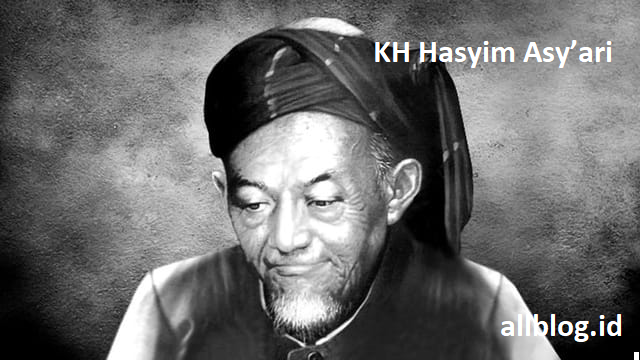
KH Hasyim Asy’ari, whose full name was Muhammad Hasyim Asy’ari, is widely remembered as one of the most influential Muslim scholars in Indonesia. He was born on February 14, 1871, in Gedang Village, Jombang, East Java, into a deeply religious family. His father, Kiai Asy’ari, was a respected Islamic teacher, and his mother, Nyai Halimah, also came from a family of prominent ulama. Growing up in such an environment shaped Hasyim’s character, making him disciplined, pious, and highly dedicated to religious learning from a young age.
His childhood was filled with exposure to Islamic teachings. Unlike many children of his age, KH Hasyim was already reciting the Qur’an fluently at an early stage. Surrounded by strong Islamic values, he grew up in a community where traditional pesantren (Islamic boarding schools) played a crucial role in society KH Hasyim. This atmosphere not only strengthened his religious foundation but also ignited his passion for Islamic scholarship.
Being born into an environment rich with Islamic tradition meant that Hasyim’s path was almost destined. However, what made him stand out was not just his lineage but his extraordinary dedication to study and teaching. This deep devotion would later position him as a central figure in the establishment of Nahdlatul Ulama (NU), one of the largest Islamic organizations in the world.
Pursuit of Knowledge and Education
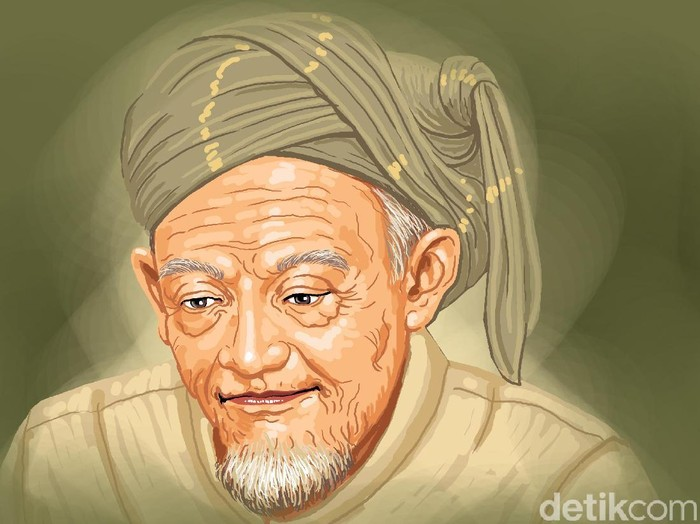
Hasyim Asy’ari’s quest for knowledge took him far beyond his hometown. After completing his early education under the guidance of his father and other local ulama, he pursued higher religious studies in various pesantren across Java KH Hasyim. Some of the institutions he studied at included Pesantren Wonokoyo, Pesantren Langitan, and Pesantren Trenggilis. These experiences gave him a strong foundation in fiqh (Islamic jurisprudence), tafsir (Qur’anic exegesis), and hadith.
In 1892, his thirst for deeper knowledge led him to Mecca, which at the time was the heart of Islamic scholarship. He spent several years there, studying under renowned Middle Eastern scholars. This period was transformative for him. Not only did he gain mastery in Islamic sciences, but he also developed a broader understanding of how Islam could adapt and thrive in different cultural contexts. His time in Mecca also helped him connect with other international students, allowing him to build a wide intellectual network.
This phase of his life reflected his belief that education was not just about memorizing religious texts but also about cultivating wisdom and moral character. Hasyim firmly believed that a true scholar had to embody both knowledge and integrity. It was this philosophy that shaped his approach when he returned to Indonesia and began teaching the next generation of Muslims.
Founding of Pesantren Tebuireng
Upon his return to Indonesia, KH Hasyim established Pesantren Tebuireng in Jombang in 1899. At first, the pesantren was small and modest, but it quickly grew into one of the most respected centers of Islamic learning in the archipelago. What made Tebuireng unique was not just the quality of its education but also Hasyim’s approach to integrating traditional Islamic sciences with practical values that addressed real social issues.
Pesantren Tebuireng became a place where thousands of students, or santri, came to study. They were taught not only religious sciences but also discipline, community service, and leadership. Hasyim emphasized the importance of combining religious devotion with social responsibility. This philosophy became the foundation for the pesantren’s role in shaping future leaders of Indonesian society.
Over time, Pesantren Tebuireng gained a reputation as a reformist pesantren. While still firmly rooted in the Ahlussunnah wal Jama’ah tradition, Hasyim encouraged critical thinking and intellectual exploration. His ability to balance tradition with progressiveness made the institution a model for many other pesantren that followed. Today, Tebuireng remains one of the most important pesantren in Indonesia, a lasting legacy of KH Hasyim Asy’ari’s vision.
Role in the Establishment of Nahdlatul Ulama
One of Hasyim Asy’ari’s greatest contributions to Indonesia and the Muslim world was the founding of Nahdlatul Ulama (NU) in 1926. At the time, Indonesia was still under Dutch colonial rule, and there was a growing need for Muslim unity to face political and cultural challenges. Together with other leading ulama, Hasyim took the initiative to create an organization that would protect Islamic traditions while also addressing the social and political issues of the day.
NU was built on the principles of Ahlussunnah wal Jama’ah, emphasizing tolerance, balance, and respect for tradition. Under Hasyim’s leadership, the organization became a platform for Muslims across Indonesia to strengthen their faith, improve their education, and advocate for independence from colonial powers KH Hasyim. His leadership was not only religious but also deeply nationalistic, showing his commitment to both Islam and Indonesia.
The establishment of NU also highlighted Hasyim’s ability to unite people of different backgrounds. By combining strong religious values with an inclusive approach, NU grew rapidly, becoming the largest Islamic organization in Indonesia. Even today, NU continues to play a major role in Indonesian society, a testament to Hasyim Asy’ari’s foresight and leadership.
Resistance Against Colonialism
KH Hasyim Asy’ari was not only a scholar but also a fighter for independence. During the Japanese occupation and later in the struggle against Dutch colonialism, he encouraged Muslims to defend their land and religion. His famous “Resolusi Jihad” in 1945 called on Muslims to take part in the struggle for independence, declaring it a religious duty to fight against invaders.
This declaration had a massive impact, especially in mobilizing the masses during the Battle of Surabaya in November 1945 KH Hasyim. Many historians argue that without his leadership and the religious legitimacy he provided, the resistance movement would not have been as strong or unified. Hasyim showed that religious authority could be a powerful tool in mobilizing national resistance.
His courage in speaking out against colonial powers, despite the risks, demonstrated his commitment not just to Islam but also to Indonesia’s independence. By combining religious teachings with the spirit of nationalism, Hasyim Asy’ari became a bridge between faith and freedom. This dual role of scholar and patriot remains one of the most remarkable aspects of his legacy.
Legacy and Contributions to Indonesian Islam
KH Hasyim Asy’ari passed away on July 25, 1947, but his influence continues to shape Indonesian Islam and society. His contributions extend far beyond the establishment of Nahdlatul Ulama and Pesantren Tebuireng. He left behind a legacy of scholarship, leadership, and devotion that continues to inspire millions.
Through his writings, teachings, and actions, Hasyim emphasized the importance of balancing tradition with progress. He believed in maintaining Islamic identity while also adapting to the modern world. This balance is what allowed NU and the pesantren tradition to thrive even in the face of rapid social and political changes.
His role as a spiritual leader, educator, and national hero has made him a central figure in Indonesian history. For many Muslims, Hasyim Asy’ari represents the ideal scholar—someone who combines knowledge, piety, and dedication to the welfare of his people. Today, his name is honored not just in NU circles but across the entire nation, as a symbol of wisdom, unity, and resistance.
(FAQ) Biography of KH Hasyim Asy’ari
Q1: Who was KH Hasyim Asy’ari?
A1: KH Hasyim Asy’ari was a renowned Indonesian Islamic scholar, the founder of Nahdlatul Ulama (NU), and a national hero. He played a vital role in both Islamic education and Indonesia’s struggle for independence.
Q2: What is KH Hasyim Asy’ari best known for?
A2: He is best known for establishing Pesantren Tebuireng in 1899, leading the foundation of Nahdlatul Ulama in 1926, and issuing the famous Resolusi Jihad in 1945, which inspired Indonesians to fight for independence.
Q3: What was the significance of Pesantren Tebuireng?
A3: Pesantren Tebuireng became one of the most influential Islamic boarding schools in Indonesia. It combined traditional Islamic teachings with practical values, producing generations of leaders and scholars who contributed to society.
Q4: How did KH Hasyim Asy’ari contribute to Indonesian independence?
A4: He used his religious authority to encourage Muslims to defend the nation. His Resolusi Jihad motivated thousands to join the fight, particularly during the Battle of Surabaya in 1945, making him a key figure in the independence movement.
Q5: What is KH Hasyim Asy’ari’s lasting legacy?
A5: His legacy lives on through Nahdlatul Ulama, Pesantren Tebuireng, his numerous students, and his writings. He is remembered as a scholar who balanced tradition with modernity and combined religious devotion with national responsibility.
Conclusion
The biography of KH Hasyim Asy’ari is more than just a story of one man’s life. It is the story of how a scholar shaped the course of Indonesian Islam and contributed to the country’s independence. From his early education in Jombang to his studies in Mecca, from founding Pesantren Tebuireng to leading Nahdlatul Ulama, and from teaching thousands of santri to issuing the famous Resolusi Jihad, Hasyim’s life was a journey of devotion, wisdom, and leadership.
His legacy continues to guide millions of Indonesian Muslims today, showing that true leadership is built on knowledge, integrity, and a commitment to both faith and nation. KH Hasyim Asy’ari remains a timeless figure, reminding us that the pursuit of knowledge and the struggle for justice can go hand in hand.


