Cerita Bawang Merah Bawang Putih: A Timeless Indonesian Folklore of Kindness and Jealousy

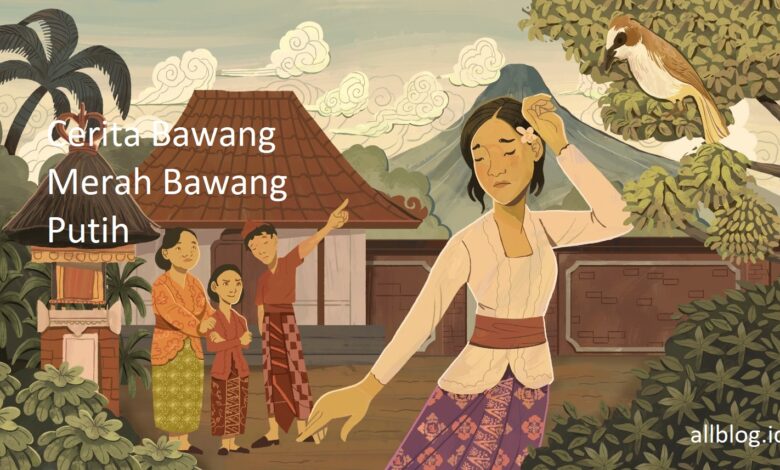
Cerita Bawang Merah Bawang Putih Stories have always been at the heart of cultural identity. They carry wisdom, shape traditions, and connect generations across centuries. In Indonesia, one of the most beloved and enduring folktales is cerita Bawang Merah Bawang Putih. This narrative, passed down orally for countless years, embodies the eternal battle between kindness and cruelty, humility and arrogance, compassion and envy. It has become more than a simple fairy tale for children; it is a cultural mirror that reflects the values, morals, and beliefs of Indonesian society.
This article explores the timeless tale in depth, delving into its origins, storyline, characters, cultural meaning, and the lessons it continues to impart in the modern world.
The Origins of Cerita Bawang Merah Bawang Putih
The folktale of Bawang Merah and Bawang Putih originates from Indonesia, with strong roots in Sumatra and other regions where oral traditions were a vital part of community life. Before the story was written down, it was told by elders during evenings at home, by firesides, or in village gatherings. It served not just as entertainment but also as a teaching tool, instilling moral lessons in young listeners.
The names themselves are symbolic. Bawang Merah translates to shallot, while Cerita Bawang Merah Bawang Putih translates to garlic. These two everyday ingredients carry meaning beyond their culinary use. Shallots are sharp and pungent, representing bitterness and envy, while garlic is mild, soothing, and often associated with healing, representing purity and kindness. This duality sets the stage for the contrasting characters within the tale.
The Characters That Shape the Tale

At the center of the story are unforgettable figures, each representing distinct human qualities.
Cerita Bawang Merah Bawang Putih embodies patience, sincerity, and resilience. She is humble and hardworking, always respectful to others, and never allows cruelty to harden her heart. Her name, symbolizing garlic, reinforces her purity and the healing aura she brings to those around her.
Bawang Merah serves as her foil. She is arrogant, spoiled, and jealous. She represents envy and selfishness, seeking shortcuts to happiness while mocking her stepsister’s hard work. Her name, symbolizing shallots, reflects her sharp and bitter personality.
The Stepmother plays a critical role as the enabler of injustice. She favors her biological daughter, Bawang Merah, while mistreating Cerita Bawang Merah Bawang Putih. Her cruelty amplifies the struggles Bawang Putih must endure.
The Father is present at the beginning but dies early, leaving Cerita Bawang Merah Bawang Putih vulnerable. His absence is a turning point, highlighting the harsh reality of stepfamily dynamics in folklore traditions.
The Story of Bawang Merah Bawang Putih
Once upon a time, there lived a young girl named Cerita Bawang Merah Bawang Putih. She was gentle, humble, and kindhearted, living happily with her father. After her mother’s death, her father remarried, bringing into the household a woman with a daughter named Bawang Merah.
At first, life was peaceful. But after Cerita Bawang Merah Bawang Putih father passed away, the household changed dramatically. Her stepmother revealed her true nature, treating Bawang Putih with cruelty while spoiling Bawang Merah with affection and favoritism. From sunrise to sunset, Bawang Putih carried the weight of endless chores—cooking, cleaning, fetching water, and tending to the household—all while Bawang Merah idled, mocking her stepsister’s toil.
Despite the injustice, Bawang Putih never grew bitter. She remained patient and kind, her spirit unbroken by hardship.
One day, while washing clothes by the river, she lost one of her stepmother’s garments to the current. Frightened of punishment, she chased it downstream until she reached the home of an old woman. The woman agreed to return the garment, but only if Cerita Bawang Merah Bawang Putih stayed and helped with household tasks. True to her nature, Bawang Putih served with humility and respect.
When it was time to leave, the old woman rewarded her. She offered two gourds: one large, one small. Cerita Bawang Merah Bawang Putih chose the smaller one, valuing modesty over greed. Upon returning home, she discovered that the gourd was filled with treasures—gold, jewels, and precious ornaments.
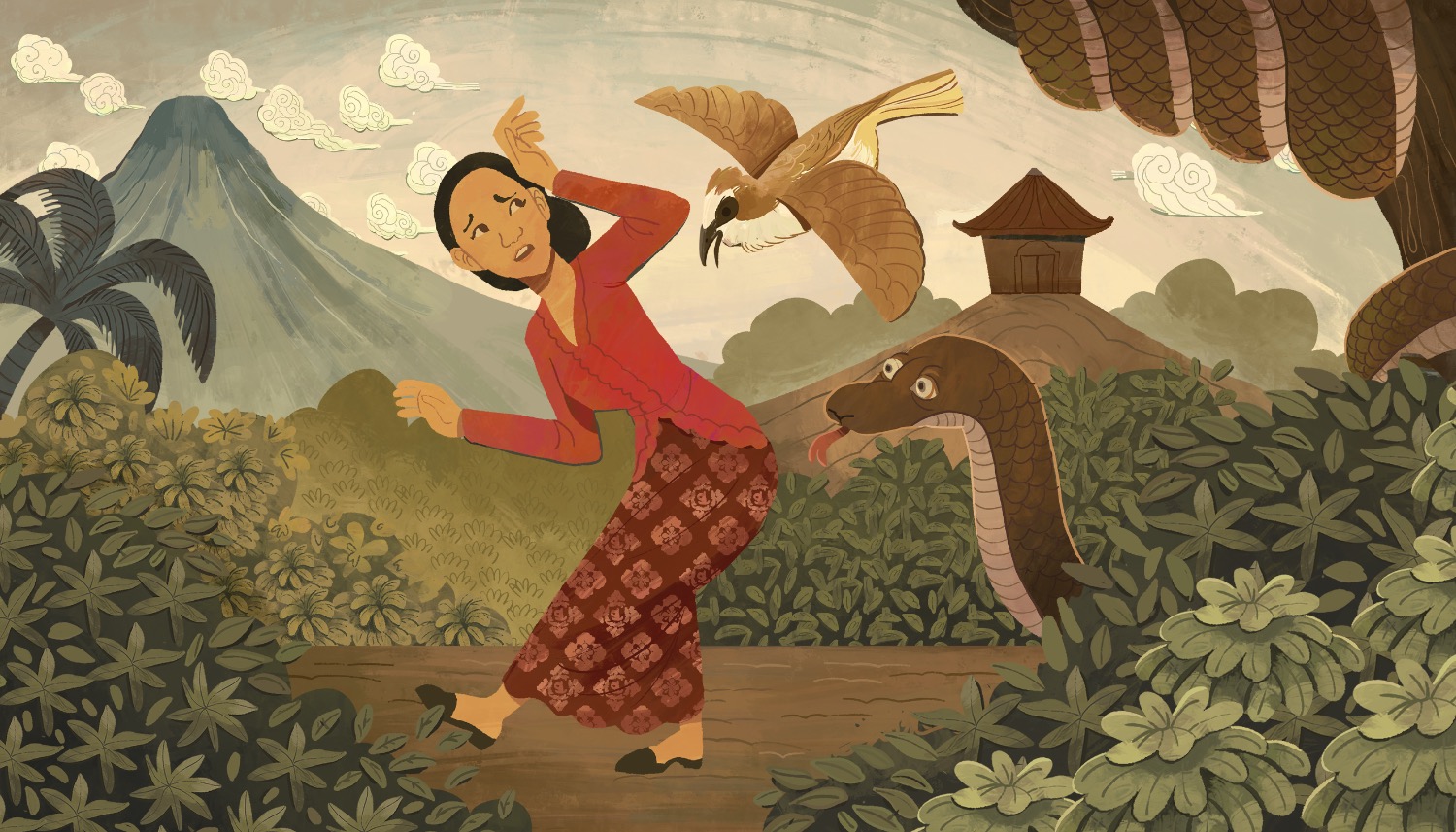
Envy consumed the stepmother and Bawang Merah. They plotted to obtain similar fortune. Bawang Merah was sent to the river, instructed to let a garment drift away and then to follow the same steps. She too found the old woman, but unlike her stepsister, she was lazy, rude, and disrespectful. When offered the gourds, she chose the larger one, driven by greed. Upon opening it at home, instead of treasure, venomous snakes and scorpions leapt out, spreading chaos and terror.
The stepmother and Bawang Merah were horrified by their fate, while Cerita Bawang Merah Bawang Putih kindness and sincerity eventually brought her peace, happiness, and prosperity.
Symbolism Within the Folktale
The narrative of cerita Bawang Merah Bawang Putih is more than entertainment—it is layered with symbolism.
- The shallot and garlic highlight the contrast between bitterness and purity.
- The river signifies the flow of fate, testing character in the currents of life.
- The gourds represent destiny: one’s actions determine whether rewards or punishments await.
- The old woman symbolizes wisdom and impartial justice, rewarding virtue and punishing greed.
Each element transforms the tale into a moral compass, guiding listeners toward ethical values.
The Timeless Morals of the Story
The enduring power of this folktale lies in its universal morals. It teaches that goodness and humility are ultimately rewarded, while envy and arrogance bring destruction. It emphasizes respect for elders, patience in the face of hardship, and the importance of sincerity in one’s actions.
The story also reflects resilience, showing how Cerita Bawang Merah Bawang Putih strength of character enabled her to endure cruelty without losing compassion. In contrast, Bawang Merah demonstrates how entitlement and greed corrode happiness.
Cultural Impact of Cerita Bawang Merah Bawang Putih
Across Indonesia, this story remains one of the most retold folktales. It is taught in schools, recited in families, and adapted into children’s books, plays, films, and television dramas. Each adaptation reimagines the tale while preserving its moral essence.
The story also connects Indonesia to a wider global tradition. While unique in its setting and symbols, it resonates with universal themes found in folklore worldwide. Its echoes can be heard in the tale of Cinderella, but unlike Cinderella’s magical transformation, Cerita Bawang Merah Bawang Putih fortune stems from her moral strength, making the Indonesian version deeply human and rooted in values.
Lessons for the Modern World
Though centuries old, the lessons of cerita Bawang Merah Bawang Putih remain profoundly relevant today.
In families, it reminds parents and guardians of the importance of fairness and compassion, especially in blended households. In workplaces, it reflects how diligence, humility, and sincerity often lead to long-term success, while arrogance and greed result in downfall. In society at large, it reinforces the timeless truth that kindness is the foundation of harmony.
Even in a world driven by technology and ambition, the gentle patience of Cerita Bawang Merah Bawang Putih continues to shine as a model of virtue.
Why the Tale Endures
The story of Cerita Bawang Merah Bawang Putih endures because it speaks to universal human experiences. It addresses the yearning for justice, the struggle against unfairness, and the belief that goodness will triumph over cruelty.
Its appeal lies in its simplicity. The characters are archetypes, yet their emotions and choices mirror real human behavior. The symbols are drawn from daily life, making the morals accessible and memorable. And most importantly, the story leaves audiences with hope—the belief that patience, sincerity, and compassion can overcome adversity.
Conclusion
Cerita Bawang Merah Bawang Putih is far more than an old Indonesian folktale. It is a living story, carrying values that continue to shape generations. It contrasts envy with kindness, arrogance with humility, and cruelty with patience. Through its memorable characters and vivid symbolism, it teaches that while greed and jealousy bring destruction, compassion and sincerity bring peace and prosperity.
In a rapidly changing world, this timeless narrative remains a guiding light, reminding us that even in hardship, goodness has the power to transform lives. Its lessons are not confined to the past—they are as vital today as they were centuries ago, making this folktale a true treasure of Indonesian heritage.
